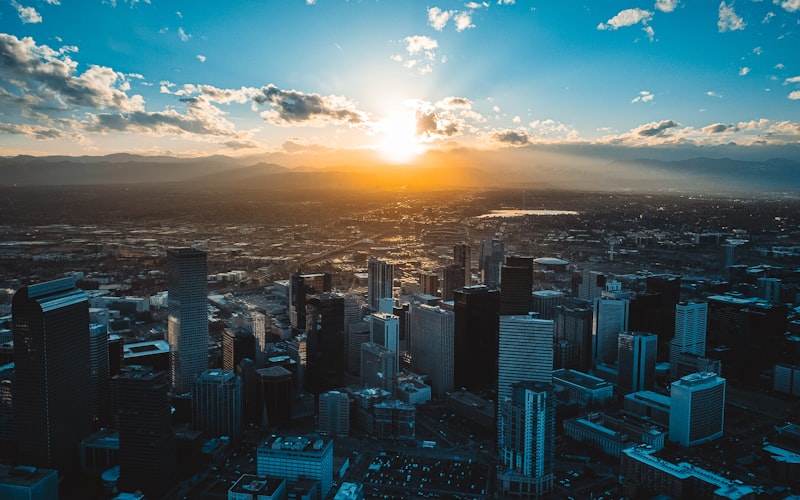
Southwest Colorado - the Four Corners region anchored by Durango and spreading west toward Cortez and the Utah border - is one of the most visually extraordinary and culturally significant areas in the American Southwest. It is also, for many visitors, a revelation: a gallery scene and arts community of genuine depth and ambition, set against the backdrop of Mesa Verde, the San Juan Mountains, and the ancient archaeological landscape of the Colorado Plateau.
Durango: The Gallery Hub of Southwest Colorado
Durango, the largest city in southwest Colorado with a population of just over eighteen thousand, punches well above its weight in galleries and cultural institutions. Its historic Main Avenue corridor is lined with galleries ranging from traditional Western and wildlife art to contemporary abstraction, and the city's combination of university culture (Fort Lewis College), outdoor recreation, and proximity to dramatic landscape has attracted a significant population of working artists.
The galleries of Durango reflect the full range of Southwest art: plein air landscape paintings capturing the San Juan Mountains in all seasons, bronze sculpture in the Western figurative tradition, contemporary mixed-media work that engages the Indigenous cultural heritage of the region, and ceramics rooted in both the Pueblo tradition and contemporary studio practice. Several galleries specialize specifically in work by Indigenous artists from the Four Corners region, providing an important market and platform for Diné (Diné), Pueblo, and Ute artists.
The Durango Arts Center presents contemporary exhibitions and operates community arts programs that keep the city's creative culture connected to its broader population. The Center of Southwest Studies at Fort Lewis College houses one of the most significant research collections on the history and culture of the Four Corners region, including a substantial collection of Indigenous art and artifacts.
Cortez and the Mesa Verde Gateway
Cortez, a smaller community about forty-five miles west of Durango, serves as the primary gateway to Mesa Verde National Park - the most significant archaeological site in the United States, preserving the cliff dwellings and cultural heritage of the Ancestral Pueblo people who inhabited the area for over seven hundred years. The Cortez Cultural Center presents rotating exhibitions of Indigenous and regional art alongside cultural programming that connects the living traditions of the Pueblo, Diné, and Ute peoples to the deep archaeological heritage of the region.
The Ute Mountain Ute Tribal Park, adjacent to Mesa Verde, offers guided tours of archaeological sites accessible only with a tribal guide - an experience that brings visitors into direct relationship with the descendants of the people who built and inhabited these extraordinary structures. The Ute Mountain Casino and Resort features significant Indigenous art throughout its public spaces, and the tribe operates art programs that support contemporary Ute artists.
Mesa Verde and the Ancient Artistic Tradition
Mesa Verde National Park itself contains one of the world's great collections of ancient art - the pottery, petroglyphs, pictographs, and architectural design of the Ancestral Pueblo people who built Cliff Palace, Balcony House, and hundreds of other structures across the mesa. The Chapin Mesa Archeological Museum within the park presents this material with clarity and depth, and the experience of standing before Cliff Palace at dawn or dusk, watching the light change on the sandstone, is as profound an aesthetic experience as any gallery can offer.
The influence of Ancestral Pueblo design - its geometric patterns, its color relationships, its integration of structure with landscape - runs through the entire tradition of Southwest art, from the pottery of the historic Pueblos to the paintings of contemporary Indigenous artists like Dan Namingha. Understanding Mesa Verde is understanding one of the deep sources of the region's visual culture.
Telluride and the Mountain Art Scene
An hour north of Cortez through some of the most spectacular mountain scenery in Colorado, Telluride has developed a cultural life that belies its small size. The Telluride Arts District supports a year-round gallery program, and the Telluride Film Festival, Bluegrass Festival, and other major annual events create an audience for contemporary art that sustains a genuinely ambitious gallery scene. Several galleries in Telluride focus specifically on contemporary work by regional artists, and the town's combination of wealth and sophistication supports prices and quality that rival any major urban market.
Planning Your Visit to Southwest Colorado
The best seasons to visit Southwest Colorado for art and culture are late spring through early fall, when the mountain passes are open, the weather is warm, and the galleries are fully staffed. The fall color season - typically mid-September through mid-October - is one of the most spectacular in North America, and many galleries and artists gear their programming around this peak visitor period. Durango's Main Avenue is walkable and can be covered thoroughly on foot; visits to Cortez, Mesa Verde, and Telluride require a car.
Combining a visit to the galleries of Durango with Mesa Verde and Cortez makes for one of the most culturally rich two-or-three-day itineraries in the Southwest - one that connects the living art of the present to one of the most extraordinary artistic and architectural legacies in human history.


