Gallery
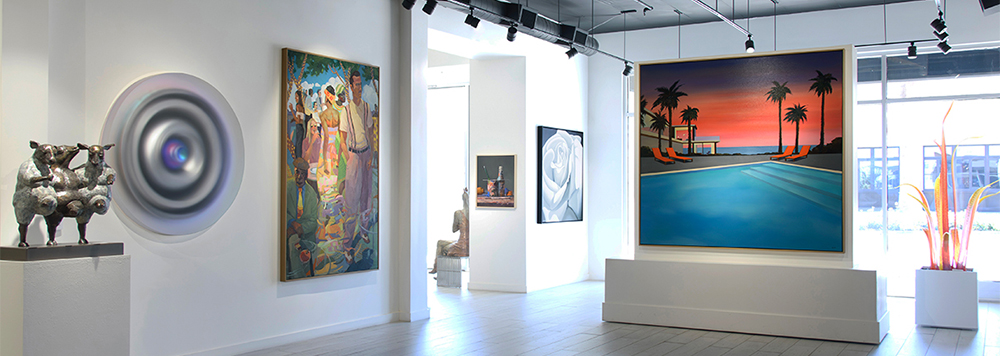
 Philabaum Contemporary Art Glass
Downtown Tucson · Tucson
Dedicated exclusively to studio art glass, featuring handblown and kiln-formed works by leading glass artists from across the United States.
Blown and kiln-worked glass
Gallery Downtown Tucson · Tucson
Dedicated exclusively to studio art glass, featuring handblown and kiln-formed works by leading glass artists from across the United States.
 Gallery
 Scottsdale
One of the anchor galleries on Scottsdale's Main Street Arts District, showing contemporary painting, sculpture, and glass for more than 27 years.
 Cultural Center
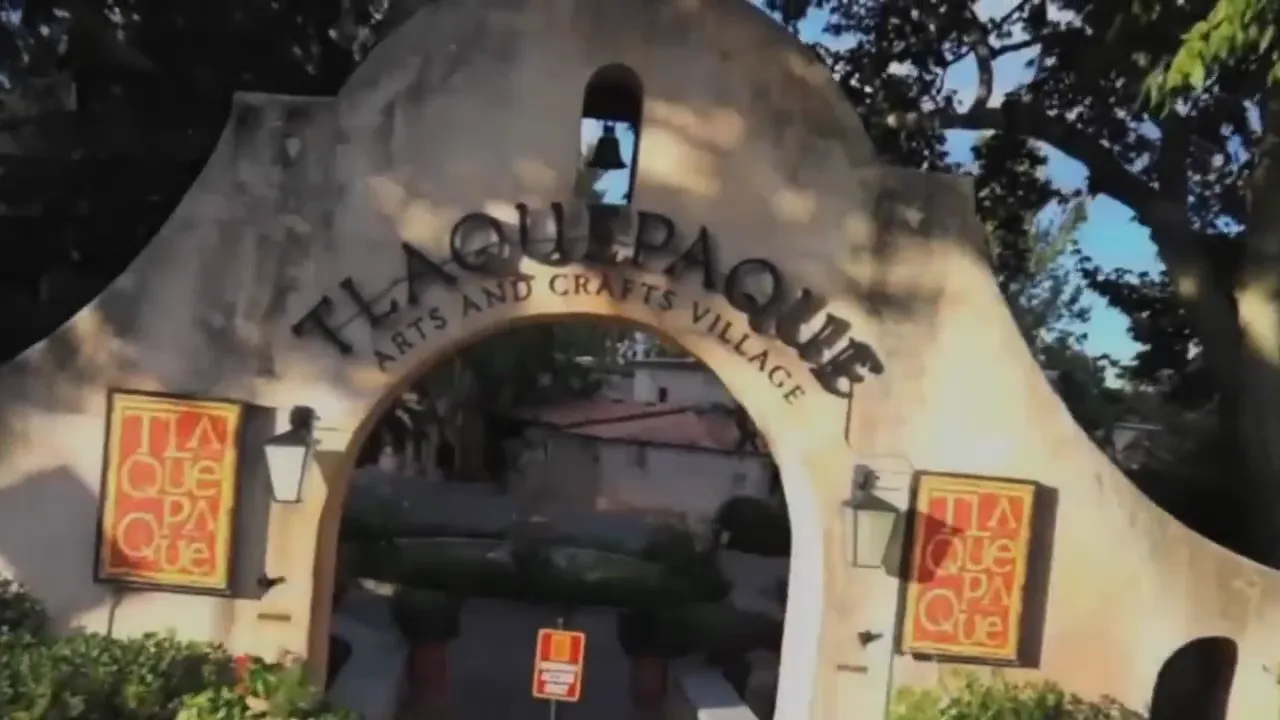
 Tlaquepaque · Sedona
Iconic arts village modeled after a traditional Mexican village, housing 40+ galleries, artisans, and studios amid courtyards and fountains.
 Gallery
 Main Avenue · Durango
One of the Four Corners' most celebrated galleries, Blue Rain showcases contemporary, regional, studio glass, and especially innovative Native American art - representing major Pueblo, Diné, and Hopi artists alongside rising regional voices on Durango's historic Main Avenue.
 Gallery
 Pearl Street Mall · Boulder
A cooperative gallery on Boulder's beloved Pearl Street Mall, showcasing handcrafted jewelry, ceramics, fiber, glass, and mixed-media work by Colorado artisans since 1971.
 Gallery
 Ninth Street District · Durango
A beloved Durango gallery representing over 100 independent American studio artists - presenting an eclectic range of handcrafted pottery, paintings, jewelry, glass, and functional art objects sourced from small studios across the country, with a strong Southwest aesthetic.
 Artist Studio
 Downtown · Ouray
A working studio in the heart of Ouray where visitors can watch skilled artisans create handblown glass and handcrafted pottery on-site - combining live demonstrations with a gallery of finished works that make distinctive keepsakes from the Switzerland of America.
 Gallery
 Nob Hill · Albuquerque
One of Albuquerque's most beloved galleries, celebrating fine American craft and art jewelry with an emphasis on contemporary ceramics, glass, and fiber.
 Gallery
 Raton
The Raton Arts & Humanities Council's gallery in a landmark 1910 Wells Fargo building, showing work by 200+ local and regional New Mexico artists across every medium.
 Museum
 Midtown · Houston
A museum and residency program dedicated to the art of craft - fiber, glass, metal, ceramics, and wood - with working resident artists visible throughout the building and a commitment to elevating craft to its rightful place in the fine art conversation.
 Cultural Center
 Downtown · San Antonio
A historic arts institution offering studio arts education alongside gallery exhibitions in a beautifully preserved 19th-century French Quarter convent complex - combining fine craft education with a public art program in the heart of downtown San Antonio.
Studio glass art found its way to the American Southwest in the 1970s and 1980s, carried by artists trained in the contemporary studio glass movement that had emerged from Harvey Littleton's workshops at the University of Wisconsin in the early 1960s. The movement's emphasis on the artist as maker, on the individual blowing, casting, or hot-sculpting glass in a personal studio rather than as a worker in a factory production line, resonated deeply with the craft ethos that had been building in the Southwest since the 1960s. Today the region is home to an important concentration of glass artists working in the full range of studio techniques, from blown vessels to architectural installation.
The connection between glass art and the Southwest's Indigenous artistic traditions runs deeper than might be apparent at first. Turquoise, one of the defining materials of Indigenous Southwest jewelry and decorative art, is a stone whose translucent blue-green color has obvious parallels with the qualities of colored glass; indeed, some Indigenous glass artists have explicitly engaged the relationship between ancient stone traditions and contemporary glass practice. The studio glass movement has also been shaped by the color field aesthetic that developed in the Southwest, with many artists working in bold saturated hues that recall the mineral palette of the desert landscape.
Tucson has emerged as one of the most significant centers for glass art in the American Southwest. The Philabaum Contemporary Art Glass gallery and studio has been the anchor of Tucson's glass scene for decades, representing both established and emerging glass artists in a range of techniques and scales. Albuquerque supports a community of glass artists connected to the University of New Mexico's glass program, one of the longest-established university glass programs in the country. The Denver area has a thriving glass studio community, with several galleries in the RiNo district regularly showing contemporary glass work alongside other media.
Collecting studio glass presents particular challenges and opportunities. Glass work ranges from functional vessels that blur the line between art and craft to large-scale sculptural pieces that are purely aesthetic objects. Condition is crucial: cracks, chips, or cloudiness in older pieces significantly affect value. Provenance documentation from established galleries and established artists' estates is standard in the serious market. The annual Glass Art Society conference, held in different cities each year, is the best occasion to survey the field and meet artists directly. Prices for established artists range from several hundred dollars for small works to tens of thousands for major pieces; emerging artists' work can be found for several hundred dollars in gallery group shows.
Find hotels, inns, and vacation rentals near galleries and cultural venues across all seven states.
Affiliate link. We may earn a commission at no cost to you.