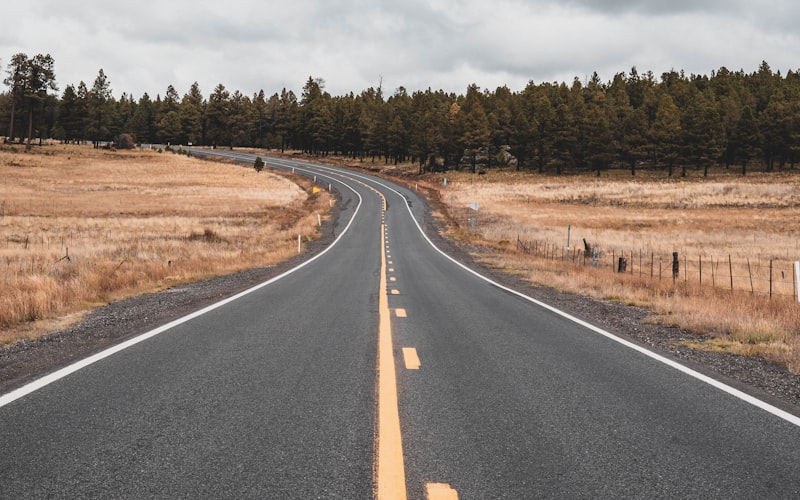
Flagstaff sits at 7,000 feet on the Colorado Plateau, surrounded by the world's largest ponderosa pine forest and within a day's drive of more national parks and monuments than anywhere else in the country. It is also a genuine college town anchored by Northern Arizona University, which produces a creative community of unusual depth and diversity for a city of 75,000. The gallery scene is more intimate than Sedona or Scottsdale, but the community is more authentic and the work more experimental - a place where artists are driven by the landscape and the culture rather than the tourist market.
The Museum of Northern Arizona
The Museum of Northern Arizona, founded in 1928 and located just north of downtown along Fort Valley Road, is the essential starting point for understanding the art and culture of the Colorado Plateau. Its collections span geology, biology, and the cultural heritage of the Hopi, Diné, Zuni, and other Indigenous peoples of the region, with a fine arts collection of particular strength in Hopi pottery, kachina figures, and Diné textiles. The museum's annual Heritage Festivals - dedicated in turn to Hopi, Diné, and Zuni cultures - bring artists from each community to sell work directly to the public in one of the most authentic contexts for collecting Indigenous art anywhere in the Southwest. These festivals, held each summer, are among the most important events on the Southwest Indigenous art calendar and draw serious collectors from across the country.
The Cultural Context
Flagstaff sits at a crossroads of cultures that shapes its art scene directly. The Diné Nation extends north and east across the Colorado Plateau; the Hopi mesas rise two hours away across high desert grassland; Havasupai, Hualapai, and Yavapai Apache homelands surround the city on other sides. This proximity is not incidental to Flagstaff's creative culture - it is central to it. Indigenous artists from these communities exhibit regularly at the Coconino Center for the Arts and the Museum of Northern Arizona, and their presence in the broader gallery ecosystem gives Flagstaff an authenticity of cultural grounding that tourist-oriented markets often lack. The Coconino Center for the Arts, operated by Coconino County in the Wheeler Park complex near Heritage Square, presents exhibitions with a deliberate emphasis on Indigenous and Southwestern voices alongside work by the broader regional contemporary community.
Northern Arizona University
The NAU Art Museum provides institutional context for contemporary practice, mounting exhibitions drawn from the university community and from regional and national artists whose work engages with the themes of the Colorado Plateau - landscape, ecology, Indigenous sovereignty, and the history of the American West. The university's art programs in painting, ceramics, printmaking, and digital arts produce a steady stream of emerging artists who bring formal rigor and fresh perspective to Flagstaff's creative community. Several outdoor sculptures and site-specific works installed across the NAU campus constitute a walkable public art collection worth visiting independently from the downtown gallery district.
Downtown Gallery District
The historic downtown along Route 66 and the surrounding streets contains a mix of galleries, studios, and artist-run spaces concentrated in the blocks between Leroux and Humphreys Streets. The downtown's well-preserved historic brick buildings from the railroad era of the 1880s and 1890s provide an appealing context for galleries that range from traditional Southwestern art to adventurous contemporary practice. The First Friday ArtWalk, held on the first Friday of each month from October through May, animates the downtown with openings and events that draw a primarily local audience - a useful indication that the art scene here serves a genuine community rather than a visiting one. Several studios operate open-door policies during ArtWalk, giving visitors access to working spaces and the opportunity to speak directly with artists about their practice.
Regional Artists
Flagstaff-based artists work in a wide range of media, but the specific landscape of the Colorado Plateau - the pine forests, the volcanic geology of the San Francisco Peaks, the extraordinary light that pours across the plateau at dawn and dusk - consistently reasserts itself as subject and influence. Painters working plein air in the high country around Flagstaff produce work that captures a quality of light and air distinctly different from the red-rock desert imagery associated with Sedona and Scottsdale. Ceramic artists in the region draw on the extraordinary Indigenous ceramic traditions of the surrounding Pueblo and Diné communities while developing contemporary approaches to the vessel and to sculptural form. Photographers working in the landscape around Flagstaff have access to subjects - the Painted Desert, the Petrified Forest, Monument Valley visible on the horizon - that are among the most photographed and least genuinely seen landscapes in the American West.
Day Trip Context
Flagstaff functions well as a base for exploring a remarkable arc of cultural sites. Walnut Canyon National Monument, 10 miles east on I-40, contains Sinagua cliff dwellings built into a limestone canyon around 1100 CE and visible from a one-mile island trail. Wupatki and Sunset Crater Volcanic Monument, 30 miles north, preserves additional Sinagua sites including a dramatic red sandstone pueblo. The South Rim of the Grand Canyon is 80 miles north. The Hopi mesas - First, Second, and Third Mesa - are two hours away across the Diné reservation and constitute the oldest continuously inhabited communities in North America, with artists selling directly from their homes and studios in a context unlike anything in the commercial gallery world.
Practical Notes
- Flagstaff's altitude (6,910 feet) means genuine four-season weather: cool summers, real winters with significant snowfall, and spectacular fall color along the Peaks in October.
- Downtown parking is free after 6pm and on weekends along most streets.
- The Museum of Northern Arizona Heritage Programs schedule - including the Hopi, Diné, and Zuni festivals - is published on their website and worth planning a visit around.
- Driving north from Flagstaff on US-89 toward the Diné Nation opens onto Cameron Trading Post, one of the historic trading posts of the Southwest with a significant selection of Indigenous arts and craft.
- The Flagstaff Festival of Science (September) and the Flagstaff Mountain Film Festival (February) bring additional visitors and cultural programming that complement the arts calendar.

