
Representative image
Menil Collection
Montrose · Houston, Texas
The Menil Collection in Houston is one of the most extraordinary private art collections ever assembled and one of the finest art experiences in the American Southwest, housed in a campus of buildings in the Montrose neighborhood designed by Renzo Piano and exhibiting the depth and idiosyncrasy of two lifetimes of passionate collecting by John and Dominique de Menil. The Menils assembled their collection from the 1940s through the 1980s with a focus on prehistoric and ancient art, Byzantine and medieval art, tribal arts from Africa and Oceania, Surrealism, and postwar American art, creating holdings of exceptional depth in each area rather than the superficial representation that characterizes many encyclopedic collections.
The main building, a long low structure whose signature cypress baffles filter the Houston light into the interior galleries, houses works ranging from ancient Greek vases and medieval reliquaries to major paintings by Max Ernst, René Magritte, and the full complement of Surrealist painters the Menils knew personally and collected extensively. The collection is displayed without labels giving artists or dates in many of the galleries, reflecting Dominique de Menil's conviction that art should be encountered directly before being explained. The approach is unusual and demands engagement, but the quality of the works displayed rewards the attention that the presentation requires.
The campus includes dedicated buildings for specific collection areas: the Rothko Chapel, an octagonal meditative space housing fourteen large-scale paintings donated by Mark Rothko himself; the Cy Twombly Gallery, designed by Piano to house the Texas-connected painter's large-format works under natural light; and the Byzantine Fresco Chapel, which houses the only intact Byzantine fresco cycle in the Western Hemisphere, rescued from illegal excavation in Cyprus. Admission to the Menil is free, reflecting the founders' conviction that art belongs to everyone. The surrounding Menil neighborhood, with its bungalows and mature trees, makes a visit here feel like a pilgrimage to a place apart, which is precisely what the Menils intended.
Art Styles
More in Houston
- Cultural Center Art League Houston
One of Houston's oldest arts nonprofits, providing gallery space, studio residencies, and educational programming that supports working artists at every stage - from student to established professional.
-
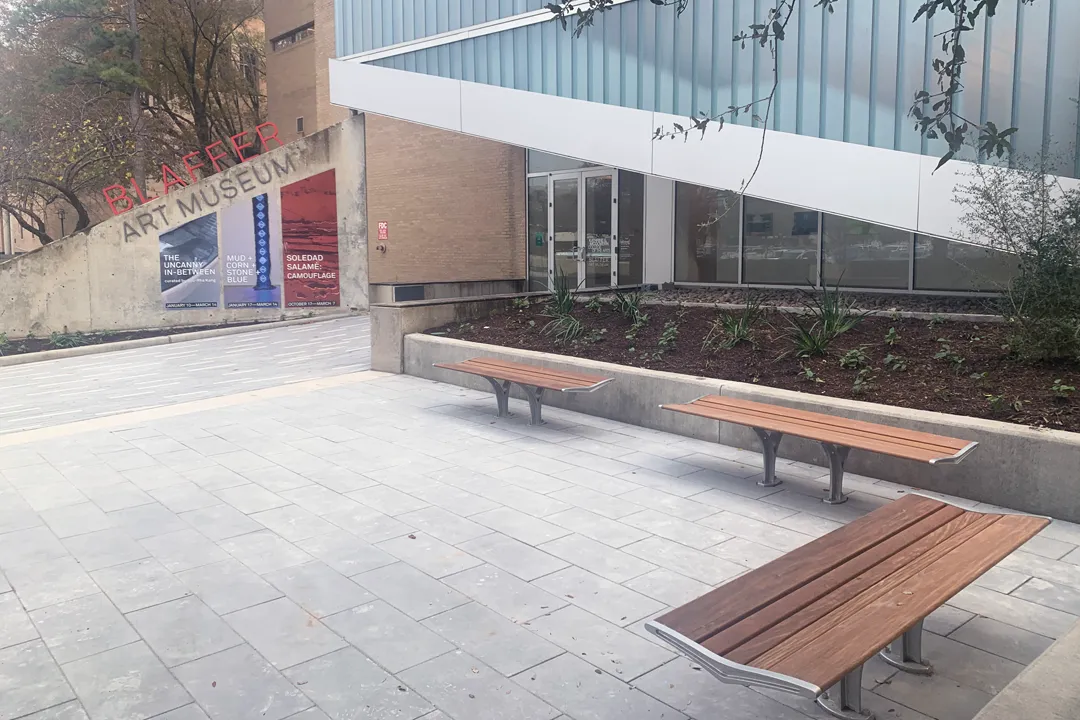 Museum Blaffer Art Museum
The contemporary art museum of the University of Houston, presenting rotating exhibitions and ambitious new commissions by emerging and mid-career artists, with a particular commitment to underrepresented voices and international perspectives.
- Museum Contemporary Arts Museum Houston
A kunsthalle with no permanent collection, CAMH presents ambitious rotating exhibitions of contemporary art from local, national, and international artists - a laboratory for the urgent, the experimental, and the newly made.
- Cultural Center DiverseWorks
Houston's leading presenter of experimental and interdisciplinary art, commissioning boundary-pushing work across visual art, performance, music, and theater by Texas artists and their national collaborators since 1982.


