Representative image
Rothko Chapel
Montrose · Houston, Texas
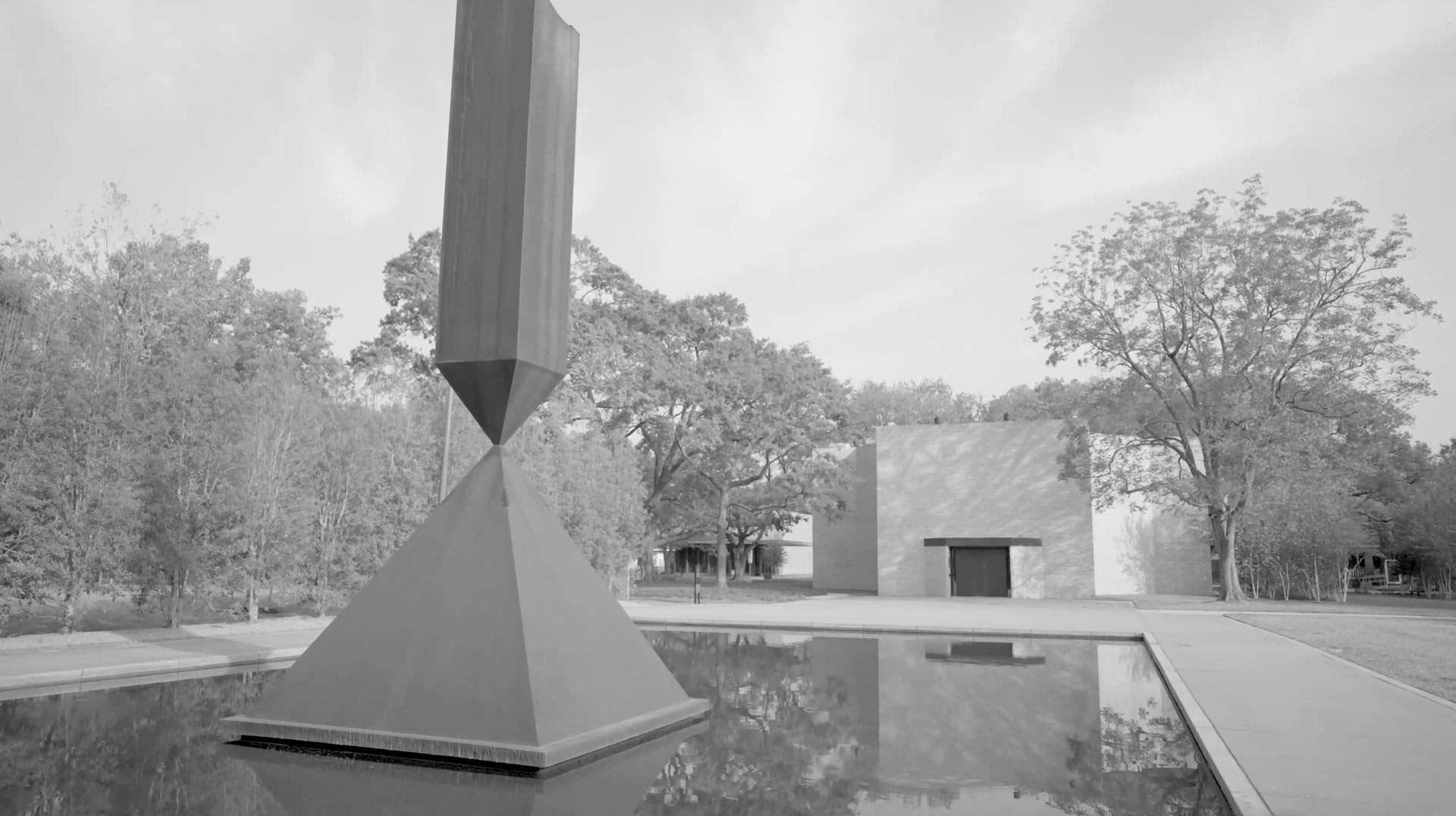
The Rothko Chapel is among the most significant works of twentieth-century American art and one of the most profound meditative spaces anywhere in the world. Located on the grounds of the Menil Collection campus in Houston's Montrose neighborhood, the chapel was commissioned in 1964 by John and Dominique de Menil and completed in 1971, shortly after Mark Rothko's death. Rothko designed both the fourteen monumental paintings and the octagonal building itself in close collaboration with the de Menils and architect Philip Johnson, creating a total work of art in which architecture, natural light, and painting form a single, indissoluble experience.
The paintings, which range from deep purple to near-black in their tonal palette, are among the most demanding works Rothko ever made. In the chapel's carefully controlled natural light, they shift continuously throughout the day, revealing depths and qualities that cannot be apprehended in reproduction. The experience of sitting among them, in a space designed to hold perhaps fifty people at a time, is one of sustained confrontation with silence, with scale, and with the full weight of what painting at its most serious can accomplish. Visitors who spend time in the chapel typically describe the experience as transformative in a way that is difficult to articulate but impossible to dismiss.
Beyond its role as a work of art, the Rothko Chapel has served since its opening as a non-denominational sanctuary open to people of all faiths and none, and as a center for human rights advocacy and interfaith dialogue, honoring the de Menils' conviction that art and justice are inseparable. Outside, the chapel grounds include Barnett Newman's monumental sculpture dedicated to Martin Luther King Jr. The chapel is free and open to the public six days a week. For visitors to Houston, it is an essential experience: one of the great works of American art presented in the setting for which it was made.
Art Styles
More in Houston
- Cultural Center Art League Houston
One of Houston's oldest arts nonprofits, providing gallery space, studio residencies, and educational programming that supports working artists at every stage - from student to established professional.
-
 Museum Blaffer Art Museum
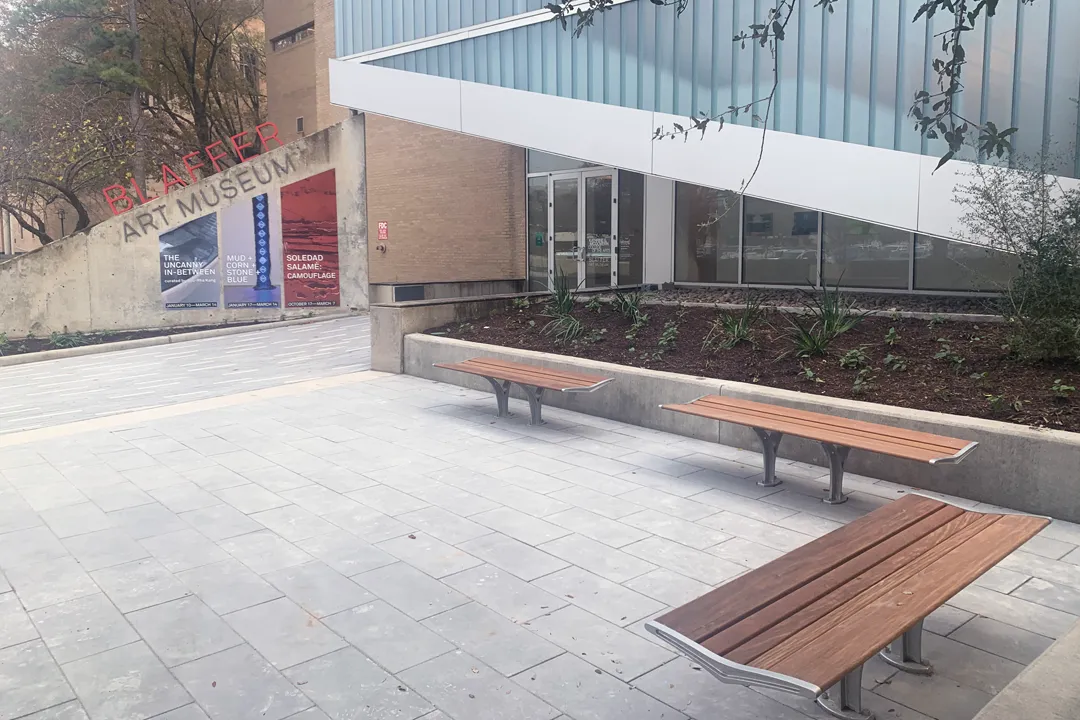
The contemporary art museum of the University of Houston, presenting rotating exhibitions and ambitious new commissions by emerging and mid-career artists, with a particular commitment to underrepresented voices and international perspectives.
- Museum Contemporary Arts Museum Houston
A kunsthalle with no permanent collection, CAMH presents ambitious rotating exhibitions of contemporary art from local, national, and international artists - a laboratory for the urgent, the experimental, and the newly made.
- Cultural Center DiverseWorks
Houston's leading presenter of experimental and interdisciplinary art, commissioning boundary-pushing work across visual art, performance, music, and theater by Texas artists and their national collaborators since 1982.


