
Representative image
Blanton Museum of Art
UT Campus · Austin, Texas

The Blanton Museum of Art at the University of Texas at Austin is one of the largest university art museums in the United States, with a collection of more than 21,000 works spanning ancient to contemporary art from Europe, the Americas, and the broader world. Founded in 1963 and housed since 2006 in a pair of landmark buildings designed by Kallmann McKinnell and Wood on the university's main mall, the Blanton combines the resources of a major research institution with the mission of a public art museum, making significant works of art accessible to the Austin community and to visitors from across the country.
The collection's greatest strengths are in European painting from the Renaissance through the 20th century, with outstanding holdings in Italian, Spanish, Dutch, Flemish, German, and French painting that reflect the collection's origins as a teaching resource for the University of Texas art history department. The Latin American collection is one of the finest in the United States, with significant holdings in modern and contemporary art from Mexico, Brazil, Argentina, and Cuba that reflect Texas's cultural relationship with its southern neighbors. The American art collection includes strong representation of 20th-century abstraction, with works by major figures of Abstract Expressionism, Color Field painting, and the subsequent movements that followed them.
The Blanton's most celebrated single acquisition in recent years is Ellsworth Kelly's Austin, a large-scale stone building with colored glass windows commissioned by Kelly and completed after his death in 2015. The building, which stands in the museum's east garden, is considered among the finest works of Kelly's career and is a destination in its own right for visitors interested in the intersection of painting, sculpture, and architecture. The museum's rotating exhibition program regularly includes major loan shows from national and international institutions, and its position at the University of Texas gives it access to scholarly resources and curatorial expertise that strengthen both its research programs and its public exhibitions.
Art Styles
More in Austin
- Museum Contemporary Austin Jones Center
The downtown flagship of Contemporary Austin, presenting ambitious rotating exhibitions of contemporary art - including significant site-specific commissions and large-scale installations - in a beautifully renovated building on Congress Avenue.
- Cultural Center Emma S. Barrientos Mexican American Cultural Center
Austin's 55,000-square-foot hub for Mexican American and Latino cultural arts - galleries, performance spaces, dance studios, and community programming - freshly reopened in June 2026 after a $27M expansion.
-
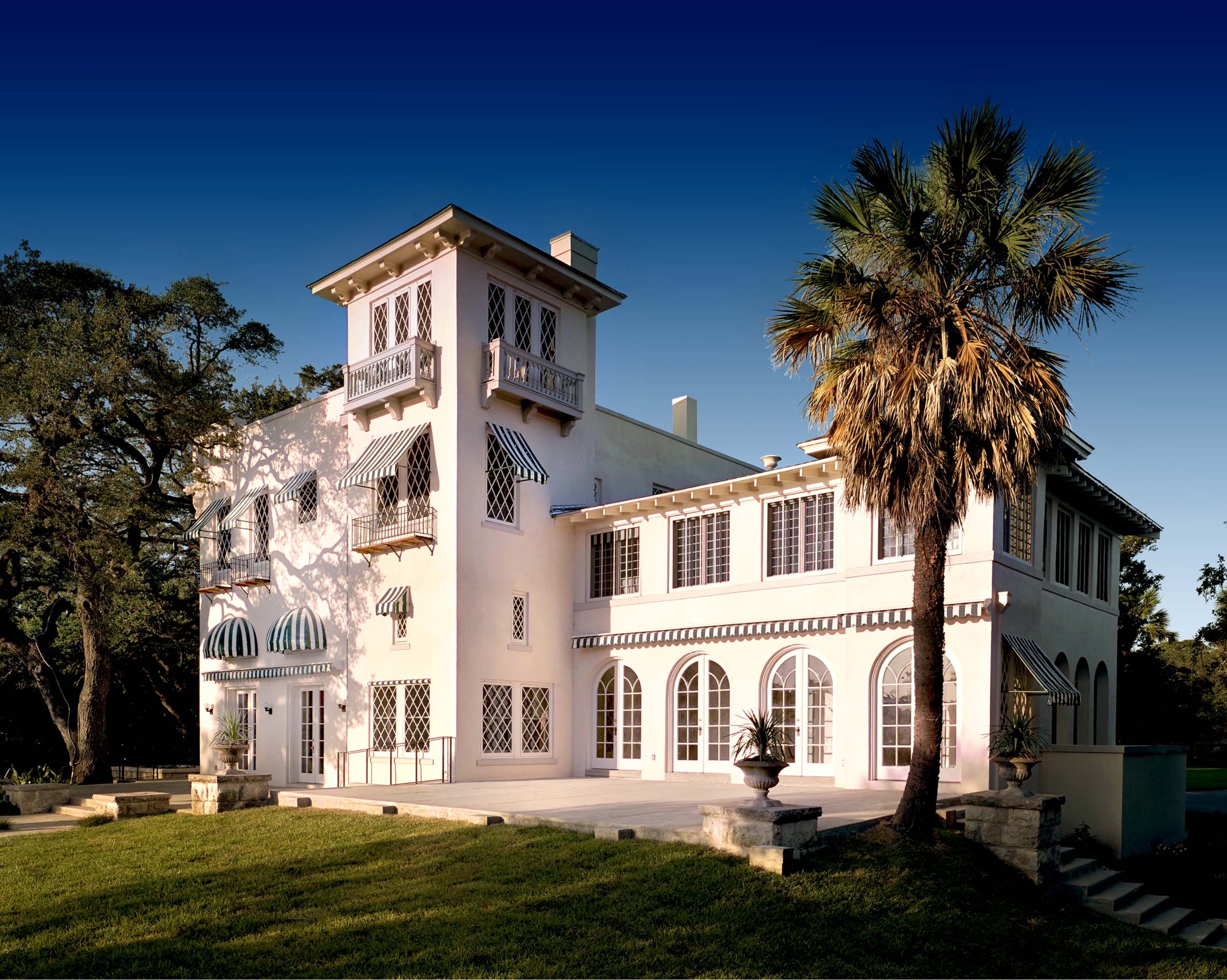 Museum Laguna Gloria
Contemporary Austin's lushly landscaped outdoor campus on Lake Austin, presenting site-specific sculpture and rotating outdoor installations in the gardens of a historic 1916 Mediterranean Revival villa - also home to the acclaimed Rebekah Baines Johnson Art School for children.
- Art Gallery MASS Gallery
An artist-run, member-supported gallery in East Austin presenting experimental and emerging contemporary art with a commitment to curatorial risk-taking, community access, and supporting the artists who make Austin's independent art scene thrive.


