Austin has always been a city that takes its creative life seriously, but in the past decade the visual arts scene has expanded dramatically alongside the city's explosive growth - from the established institutional anchors of the University of Texas campus to the sprawling gallery and studio district that has colonized East Austin. Whether you're interested in major museum collections, cutting-edge contemporary work, or finding something directly from a working artist's studio, Austin's art scene rewards exploration.
The Blanton Museum of Art
The Blanton Museum of Art at the University of Texas holds the largest university art collection in the American South and Southwest, with more than 18,000 works spanning ancient through contemporary, with particular strength in European paintings from the fifteenth through eighteenth centuries, American art, and modern and contemporary Latin American art - one of the finest such collections in the country.
The Blanton's Latin American holdings reflect both the geographic position of Texas and the university's long commitment to scholarship on Latin American culture. The collection includes major works by Mexican muralists, constructivist painters from Brazil and Argentina, and contemporary figures from across the hemisphere - making Austin one of the best places in the United States to understand the breadth of Latin American visual culture.
The museum's most spectacular recent addition is "Austin" (2018) by Ellsworth Kelly - a freestanding building Kelly designed specifically for UT's campus in the last years of his life. The structure contains seventeen colored glass windows and a large black-and-white marble sculpture in a space designed to function as a secular chapel, suffused with changing colored light throughout the day. It is one of the most extraordinary site-specific art works in the United States, and alone justifies a visit to the Blanton.
East Austin: The Studio and Gallery District
East Austin - the neighborhoods east of downtown, historically the city's African American and Latino communities and now rapidly gentrifying - has become the center of Austin's commercial and alternative gallery scene. The area's relatively affordable rents attracted artists and galleries over the past decade, and while rising real estate prices have begun to push some studios further east, the district remains the most concentrated zone for contemporary art in the city.
The galleries of East Austin range from established commercial spaces showing work by mid-career and established artists to artist-run project spaces operating on shoestring budgets, scrappy and ambitious and often doing the most interesting work in the city. First Thursday on East 6th Street brings galleries open late on the first Thursday of each month, creating a gallery walk atmosphere that draws collectors, artists, and the merely curious in significant numbers.
Several of Austin's most interesting galleries focus specifically on Texas-based artists, building a platform for the state's creative community that complements the larger national and international galleries. For collectors interested in building a collection with a specifically Texas identity, these galleries are invaluable resources.
The Contemporary Austin
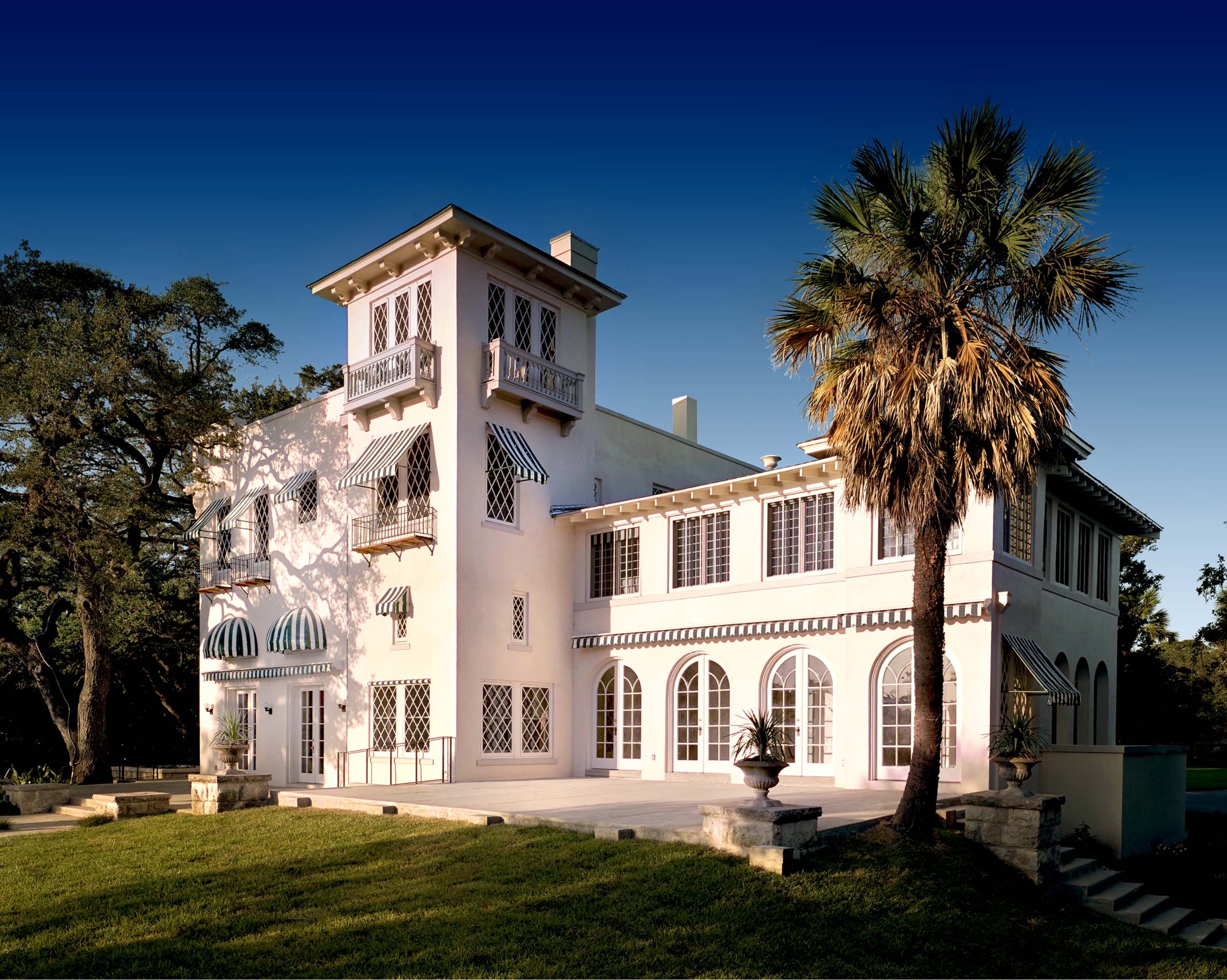
The Contemporary Austin operates two venues: the Jones Center in downtown, which presents ambitious contemporary exhibitions in a compact urban space, and Laguna Gloria, a historic estate on Lake Austin that functions as an outdoor sculpture park and experimental exhibition site. Together they give the Contemporary Austin a physical and programmatic range that few institutions its size can match.
Laguna Gloria in particular is one of Austin's hidden gems - a beautiful historic property where major sculptures are installed in the landscape alongside a historic villa that serves as a community arts center and school. The combination of art, architecture, and natural landscape makes it an exceptional destination, especially in the spring and fall when the grounds are at their best.
The Harry Ransom Center
The Harry Ransom Center at UT is not primarily an art museum - it is a research library of literary and cultural history - but it holds one of the greatest collections of cultural artifacts in the world, including the Gutenberg Bible, one of the world's first photographs (the "View from the Window at Le Gras," c. 1826-1827), and extraordinary archives of major twentieth-century writers, photographers, and filmmakers. For anyone interested in the intersections of art, literature, and photography, the Ransom Center's rotating exhibitions are not to be missed.
Studio Visits and the Artist Community
Austin's Open Studio Tour, held each November, gives the public access to hundreds of working artists' studios across the city - one of the best opportunities in any American city to buy directly from working artists and to understand the creative community that produces the work you see in galleries year-round. The Austin Studio Tour has been running for decades and continues to grow, reflecting both the size of Austin's artist community and the appetite of its collector base.
The best strategy for exploring Austin's art scene is to combine the institutional anchors - the Blanton, the Contemporary Austin, the Ransom Center - with time spent in East Austin's galleries and studios. The city's sprawl means a car is helpful for getting between venues, but the East Austin gallery district is walkable once you're in it. Austin rewards the collector willing to look beyond the obvious destinations and engage with the city's genuinely diverse and ambitious creative community.