Taos, New Mexico, has been drawing artists since the late nineteenth century, when a group of painters - including Ernest Blumenschein, Bert Geer Phillips, and Joseph Henry Sharp - arrived and found a landscape and a community that transformed everything they thought they knew about American art. More than a century later, Taos is still one of the most concentrated and vital art communities in the country, a small mountain town where galleries outnumber gas stations and serious art is taken as seriously as anywhere on earth.
The Taos Society of Artists and the Historic Foundation
The Taos Society of Artists, founded in 1915, established the town's reputation as a place where American painters could find subject matter - the land, the Pueblo people, the Spanish colonial culture - that had no equivalent anywhere else in the country. The six founding members and their successors produced work that changed American painting, bringing a new palette and a new set of subjects into a tradition that had been looking almost entirely to Europe for its standards and inspiration.
The legacy of the Society is alive throughout Taos today. The Harwood Museum of Art, operated by the University of New Mexico, holds a significant collection of Taos Society paintings alongside contemporary work by artists who have continued the tradition of making Taos their home. The Taos Art Museum at Fechin House preserves the extraordinary adobe home and studio of the Russian-born painter Nicolai Fechin, a masterpiece of carved woodwork that is as much a work of art as anything hanging on its walls.
The Galleries of Taos Today
Taos has roughly eighty galleries for a town of fewer than six thousand residents - a concentration of art space that reflects the extraordinary number of working artists who have made this mountain community their home. The galleries cluster in a few distinct areas: the historic Plaza and its immediate surroundings, the Ledoux Street corridor leading south from the Plaza, and the sprawling Ranchos de Taos district anchored by the famous church whose adobe bulk has been painted by Georgia O'Keeffe and photographed by Ansel Adams.
The range of work available in Taos spans the full breadth of Southwest art: traditional landscapes in the plein air tradition, Pueblo pottery and jewelry from Indigenous artists, cutting-edge contemporary installation, and everything in between. The town's long history of welcoming artists from diverse backgrounds has produced a gallery scene that is genuinely eclectic - you can find work by established names with national reputations in the same block as emerging artists selling directly from their studios.
Taos Pueblo and Indigenous Art
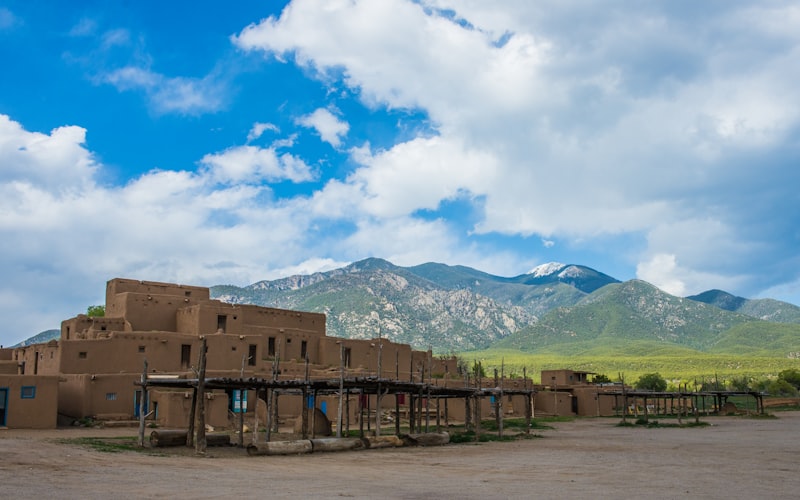
Taos Pueblo, the UNESCO World Heritage Site that has been continuously inhabited for over a thousand years, is a few miles north of the town center and is both a living community and one of the most significant cultural sites in the Western Hemisphere. The Pueblo artists who live and work there - producing pottery, jewelry, drums, and paintings rooted in Pueblo tradition - are part of a living cultural continuum that predates the Taos Society by many centuries.
When visiting Taos, engaging respectfully with Pueblo art and artists is essential. Several galleries in the town specialize in work by Taos Pueblo and other Pueblo artists, and the Taos Pueblo itself periodically opens its studio spaces to visitors. The distinction between work made by Pueblo artists and work made about or inspired by Pueblo culture is important to understand: genuine Pueblo art carries a cultural weight and authenticity that imitations and appropriations cannot match.
The Taos Art Walk and Annual Events
Taos hosts a gallery walk on the second Friday of each month, when galleries stay open late and many artists are present in their spaces - an excellent opportunity to meet the people behind the work and understand the community that produces it. The summer and fall seasons are particularly active, with the Taos Fall Arts Festival drawing collectors and visitors from around the country and many galleries mounting their most ambitious exhibitions of the year.
The Taos Wool Festival in October celebrates the weaving traditions of the region, with work by Indigenous, Hispanic, and non-Indigenous weavers displayed and sold alongside demonstrations of traditional techniques. The Fiestas de Taos in July mark the town's Spanish colonial heritage with music, dance, and art, creating a cultural event that connects the present to centuries of history.
Planning Your Visit
Taos is about an hour and a half north of Santa Fe and about three hours north of Albuquerque, making it an easy day trip from either city or a destination in its own right. The most comfortable seasons to visit are late spring, summer, and early fall; the winters are beautiful but cold, and some galleries reduce their hours. The altitude - Taos sits at about 6,969 feet - is worth keeping in mind for visitors from lower elevations.
A thorough visit to the galleries of Taos takes at least two days. The Plaza galleries, the Harwood Museum, the Fechin House, and the galleries along Ledoux Street can occupy a full day; the Taos Pueblo, the galleries of the Ranchos de Taos district, and the studio visits possible with some advance arrangement fill another. For serious collectors or students of American art, Taos rewards a longer stay.


