 Museum
 Heard Museum
Central Phoenix · Phoenix
The world's foremost museum dedicated to the art and culture of Native peoples of the American Southwest, with exceptional collections spanning ancient to contemporary.
Fine art jewelry including turquoise and silverwork
Museum Central Phoenix · Phoenix
The world's foremost museum dedicated to the art and culture of Native peoples of the American Southwest, with exceptional collections spanning ancient to contemporary.
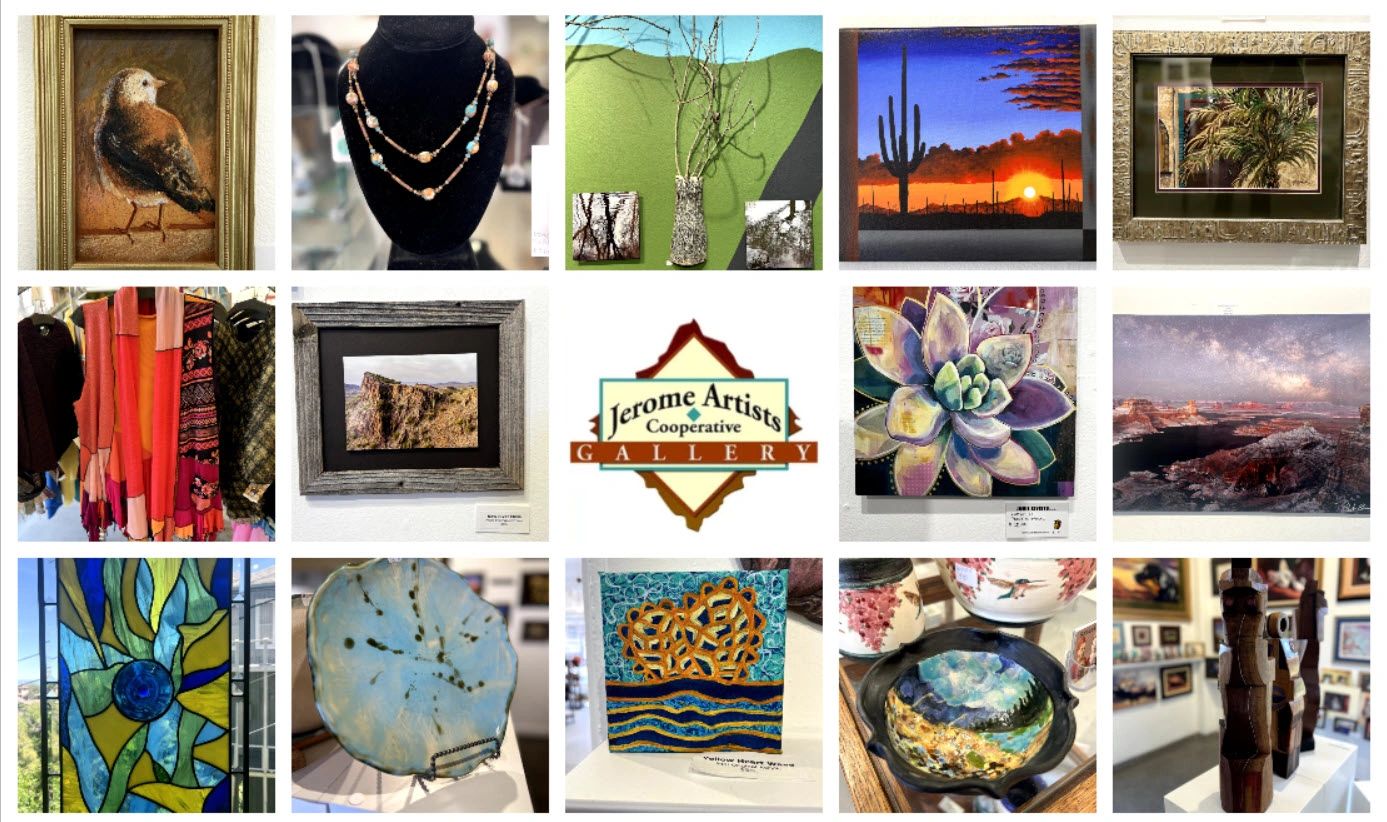 Gallery
 Historic Jerome · Jerome
A vibrant artist-run cooperative perched in Jerome's historic mining district, showcasing original paintings, ceramics, jewelry, and sculpture by over 40 local artists.
 Gallery
 Old Town Scottsdale · Scottsdale
Premier gallery for historical and contemporary Native American art, featuring works by master artists alongside rare antique pieces and jewelry.
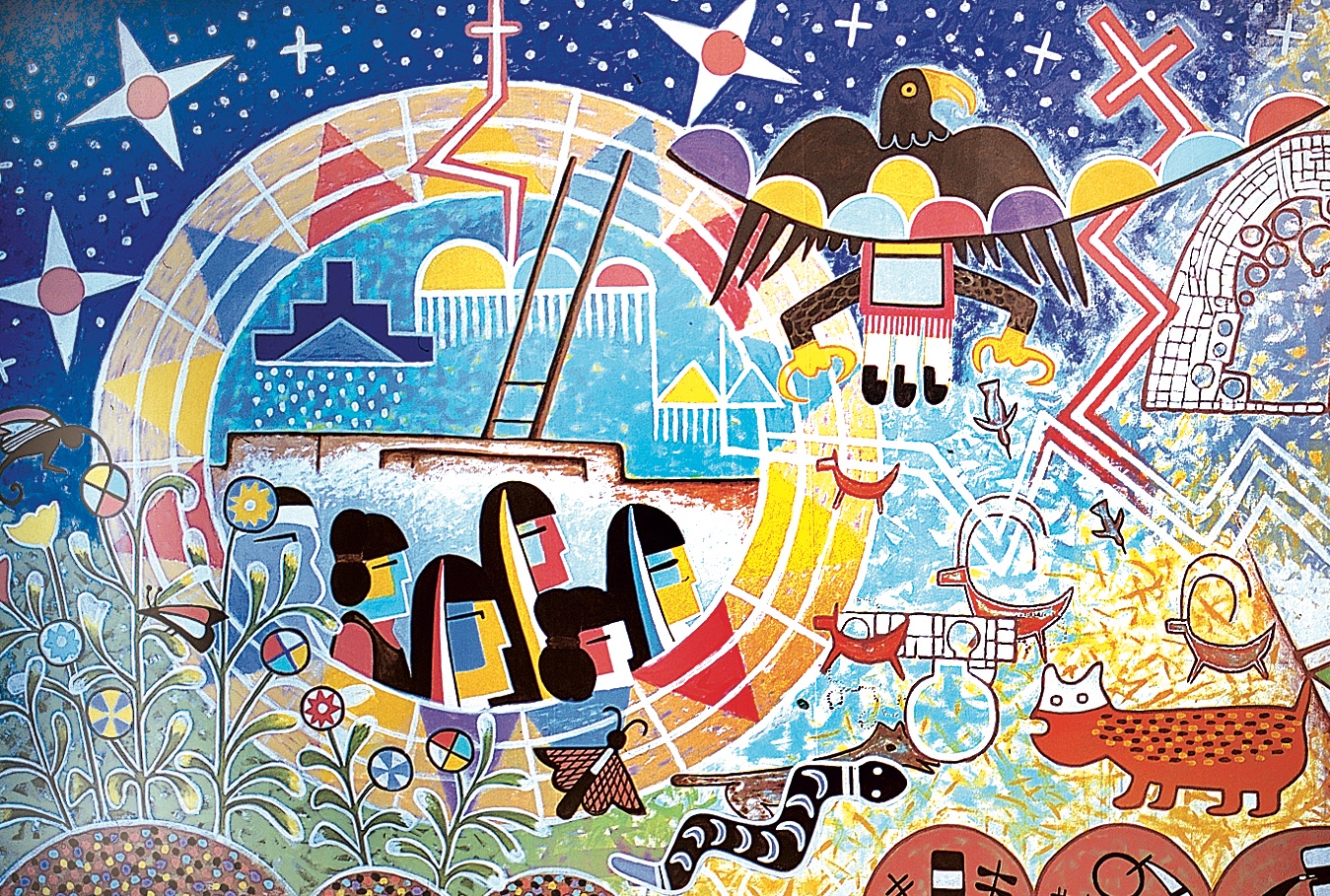 Museum
 North Flagstaff · Flagstaff
The region's foremost museum of natural and cultural history, housing one of the world's most significant collections of Hopi, Diné, Zuni, and Pai art, pottery, and jewelry.
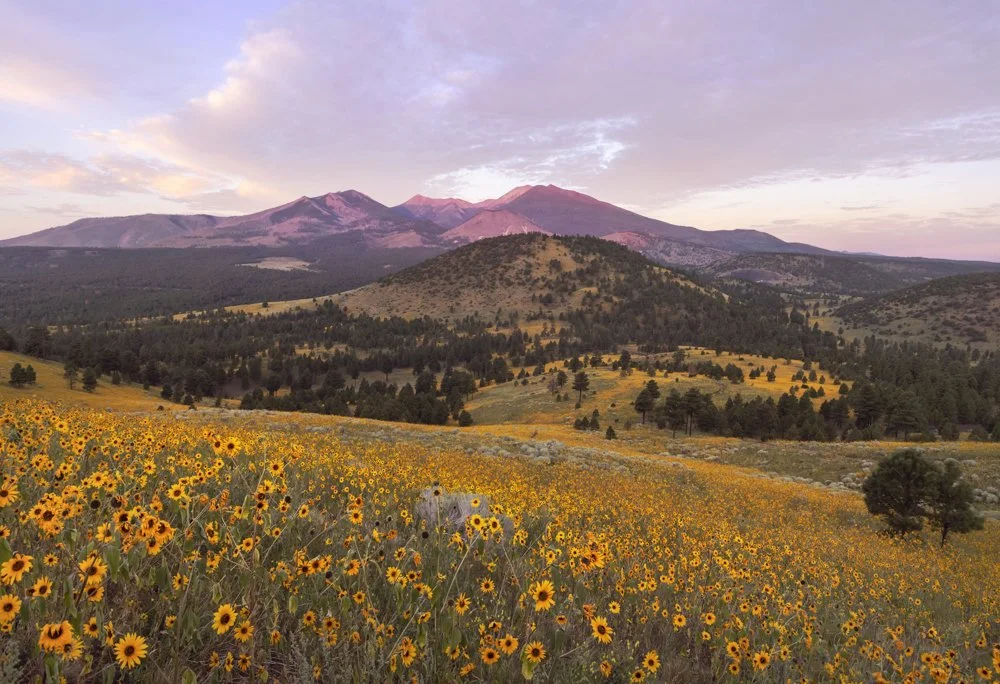 Gallery
 Downtown Flagstaff · Flagstaff
A cooperative gallery in the heart of downtown Flagstaff, run by member artists who show landscape paintings, ceramics, jewelry, and photography inspired by Arizona's northern highlands.
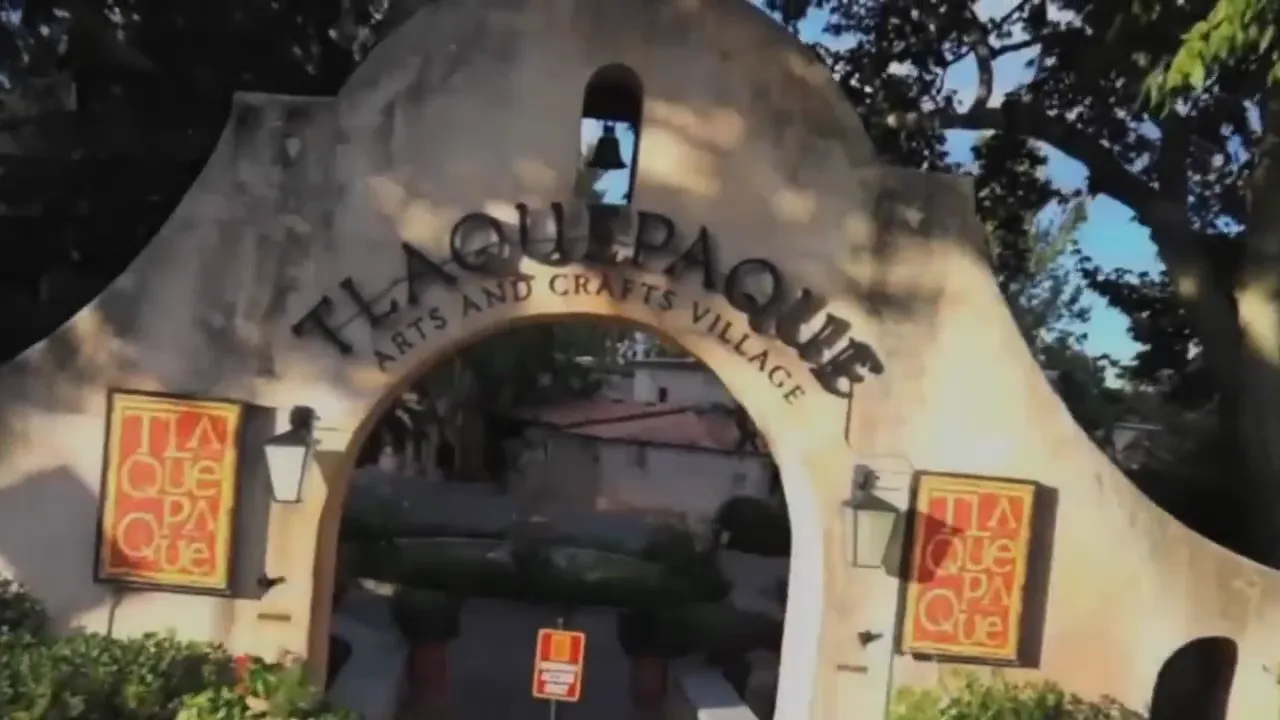 Cultural Center
 Tlaquepaque · Sedona
Iconic arts village modeled after a traditional Mexican village, housing 40+ galleries, artisans, and studios amid courtyards and fountains.
 Gallery
 Uptown Sedona · Sedona
A Sedona landmark for Native American jewelry, pottery, and fine art, curating authentic works directly from tribal artists across the Southwest.
 Gallery
 Downtown · Durango
A museum-quality gallery devoted entirely to Native American art and material culture - presenting handcrafted jewelry, paintings, sculpture, pottery, Kachinas, baskets, drums, flutes, and textiles made exclusively by Native artists, with an emphasis on education and cultural context.
 Gallery
 Pearl Street Mall · Boulder
A cooperative gallery on Boulder's beloved Pearl Street Mall, showcasing handcrafted jewelry, ceramics, fiber, glass, and mixed-media work by Colorado artisans since 1971.
 Gallery
 Downtown Manitou Springs · Manitou Springs
One of Colorado's oldest artist cooperatives, housed in a charming historic building in bohemian Manitou Springs and showcasing paintings, ceramics, jewelry, and fiber work by over 30 member artists.
 Gallery
 Ninth Street District · Durango
A beloved Durango gallery representing over 100 independent American studio artists - presenting an eclectic range of handcrafted pottery, paintings, jewelry, glass, and functional art objects sourced from small studios across the country, with a strong Southwest aesthetic.
 Gallery
 Downtown · Pagosa Springs
A Pagosa Springs gallery specializing in contemporary Southwestern jewelry and Native American craft - offering handmade one-of-a-kind pieces by Diné, Hopi, Zuni, and Apache artists alongside local artisan jewelry, pottery, Kachinas, painting, and sculpture in historic downtown.
 Gallery
 Old Town Fort Collins · Fort Collins
A vibrant contemporary gallery in Old Town Fort Collins showcasing paintings, sculpture, and jewelry by emerging and established regional artists in an inviting, accessible space.
 Gallery
 Downtown Durango · Durango
A destination gallery for authentic Native American art in Durango since 1957, with one of the finest collections of Diné rugs, Pueblo pottery, Hopi kachinas, and Southwest jewelry in the region.
 Gallery
 Manitou Springs · Manitou Springs
An intimate gallery in a Victorian-era building in Manitou Springs, presenting Colorado landscape paintings, watercolors, and prints alongside handcrafted jewelry by regional artists.
 Museum
 Uptown Albuquerque · Albuquerque
Owned and operated by the 19 Pueblos of New Mexico, this museum and cultural center celebrates Pueblo art, history, and living culture with permanent and rotating exhibitions.
 Gallery
 Nob Hill · Albuquerque
One of Albuquerque's most beloved galleries, celebrating fine American craft and art jewelry with an emphasis on contemporary ceramics, glass, and fiber.
 Museum
 Museum Road · Taos
A world-class collection of Native American and Hispanic art and artifacts from the Southwest, including one of the finest collections of Pueblo jewelry ever assembled.
 Museum
 Museum Hill · Santa Fe
One of the world's premier museums dedicated to the living arts and cultures of Native peoples of the Southwest, with extraordinary collections of pottery, textiles, jewelry, and contemporary art.
 Museum
 Museum Hill · Santa Fe
Home to the world's largest collection of international folk art - over 135,000 objects from more than 100 countries - on a scenic hill above Santa Fe.
 Gallery
 Nob Hill · Albuquerque
A cooperative fine art gallery on Albuquerque's Central Avenue presenting paintings, ceramics, jewelry, and mixed media works by a rotating collective of New Mexico artists.
 Gallery
 Raton
The Raton Arts & Humanities Council's gallery in a landmark 1910 Wells Fargo building, showing work by 200+ local and regional New Mexico artists across every medium.
 Gallery
 Downtown Santa Fe · Santa Fe
An acclaimed jewelry and fine craft gallery in downtown Santa Fe showcasing sculptural jewelry, objects, and furniture by leading contemporary studio artists from across the country.
 Gallery
 Taos Plaza · Taos
A premier destination for authentic Native American jewelry, pottery, and art, sourcing directly from pueblo artisans and tribal communities of the Southwest.
 Museum
 Museum Hill · Santa Fe
Dedicated to Native American art and culture, with a particular focus on Diné ceremonial arts and contemporary Native American artists.
 Museum
 Midtown · Houston
A museum and residency program dedicated to the art of craft - fiber, glass, metal, ceramics, and wood - with working resident artists visible throughout the building and a commitment to elevating craft to its rightful place in the fine art conversation.
 Cultural Center
 Downtown · San Antonio
A historic arts institution offering studio arts education alongside gallery exhibitions in a beautifully preserved 19th-century French Quarter convent complex - combining fine craft education with a public art program in the heart of downtown San Antonio.
Southwest jewelry, particularly the turquoise-and-silver work created by Diné, Zuni, and Hopi artisans, is recognized by collectors and museum curators worldwide as one of the great American art forms, a tradition of technical sophistication and aesthetic intelligence that developed over centuries through continuous refinement. The collaboration between Indigenous silversmithing tradition and the turquoise deposits of the Southwest, the finest turquoise in the world is found in Arizona, New Mexico, Nevada, and Colorado, produced a distinctive aesthetic that entered American popular consciousness in the late 19th century and has never left. What is less widely understood is the depth and diversity of this tradition, which encompasses dozens of distinct techniques, regional styles, and individual artistic voices.
The three principal silversmithing traditions, Diné, Zuni, and Hopi, each developed in distinct directions. Diné silversmithing, the oldest and most widely recognized, is characterized by bold forms, heavy gauge silver, and large stones, with techniques including stamping, repoussé, and the distinctive sand casting that produces pieces with a granular, rough-textured surface. Zuni work is more intricate, featuring channel inlay, petit point, and needlepoint settings that cluster small stones in elaborate mosaic patterns. Hopi overlay work, developed in the mid-20th century, is entirely two-dimensional: two layers of silver sheet, the top layer cut to reveal designs drawn from ancient Hopi pottery and kachina imagery, are soldered together and the recessed areas oxidized to black.
Beyond these three major traditions, the Southwest has produced important jewelry artists working in ways that synthesize Indigenous and non-Indigenous influences. Contemporary Native jewelers including Cody Sanderson, Jesse Monongya, and Cippy Crazyhorse have pushed the form into territory that belongs fully to the contemporary art world while remaining rooted in ancestral technique. Non-Native jewelers inspired by Southwest materials and forms have developed their own significant traditions, visible in galleries throughout Sedona, Scottsdale, and Santa Fe.
Buying authentic Indigenous jewelry requires some care. The Indian Arts and Crafts Act of 1990 makes it illegal to sell non-Native-made work as Native-made, but enforcement is imperfect and the market contains misleading work. Reputable dealers carry documentation of the artist's tribal enrollment and will readily provide hallmark identification. The Heard Museum in Phoenix and the Indian Pueblo Cultural Center in Albuquerque maintain reference collections that can help collectors develop an educated eye. Beginning collectors should look for established dealers on Santa Fe's Canyon Road, in Old Town Albuquerque, and at the annual Heard Museum Guild Indian Fair and Market, where artisans sell directly and documentation is guaranteed.
Find hotels, inns, and vacation rentals near galleries and cultural venues across all seven states.
Affiliate link. We may earn a commission at no cost to you.
