Arizona

California

Colorado

Nevada

New Mexico

Texas

Utah

Plein Air and Landscape Painting: The Southwest Seen From Life

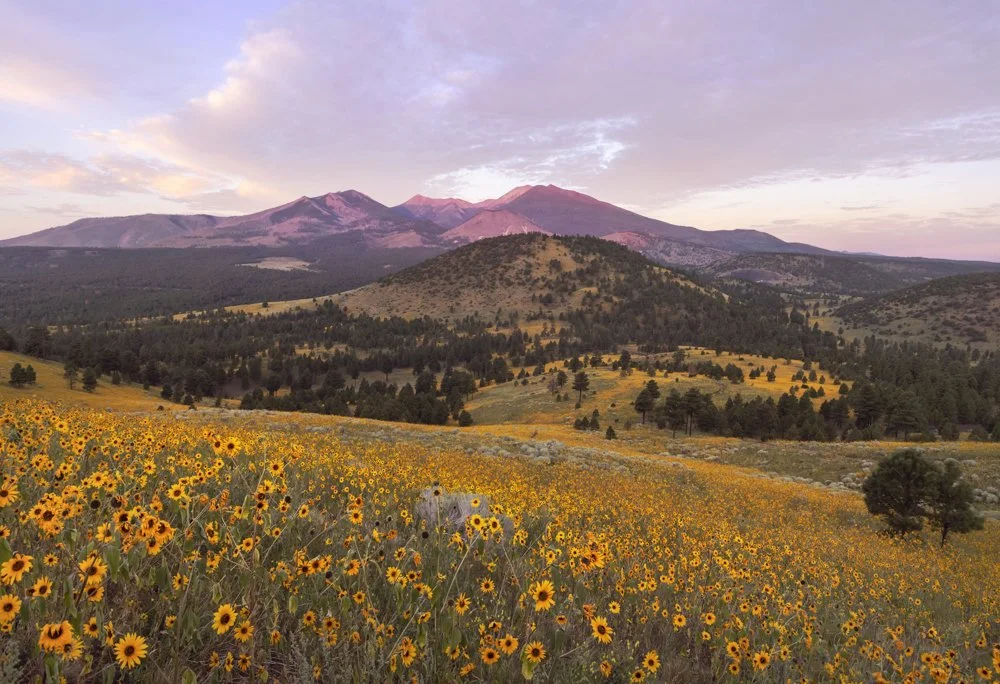
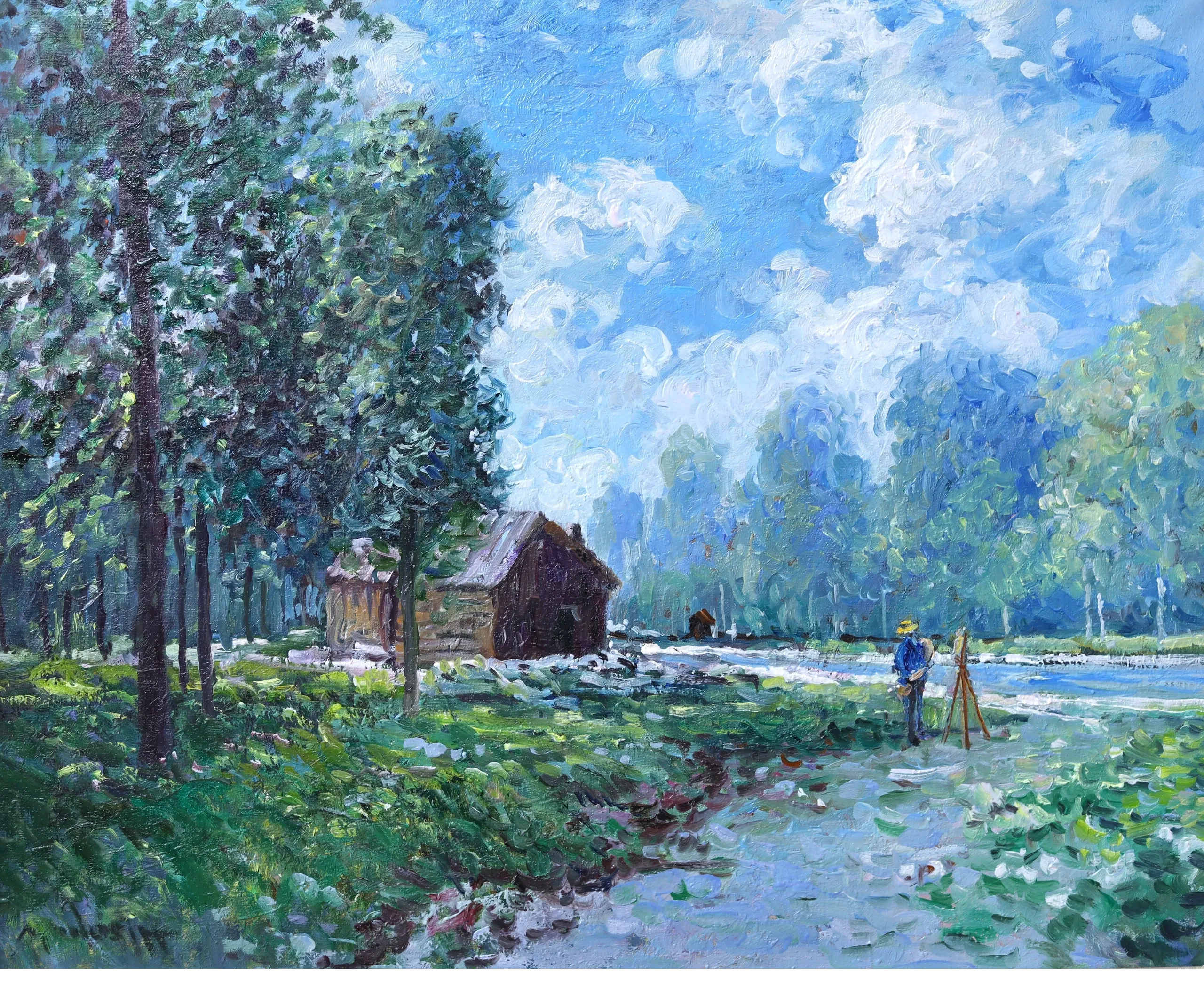
Plein air painting, the practice of painting outdoors from direct observation, has been central to Southwest art since the late 19th century, when the first trained painters arrived by railroad and found themselves confronting a landscape so vast, so saturated with color, and so unlike anything they had encountered in their European studies that conventional studio techniques seemed inadequate. Thomas Moran's paintings of the Grand Canyon and the Zion plateau, made on expeditions in the 1870s and 1880s, introduced the American public to a terrain of such grandeur that Congress subsequently protected much of it as national parks, partly in response to the emotional impact of his canvases. The tradition Moran established has never stopped producing significant work.

The early 20th century brought a generation of painters to the Southwest whose names are now inseparable from its landscape. Georgia O'Keeffe is the most famous, but the Taos Society of Artists collectively transformed the high desert of northern New Mexico into one of the most painted landscapes in American art. E. Martin Hennings, Oscar Berninghaus, Victor Higgins, Walter Ufer: their canvases of the Taos Mountains, the Pueblo cornfields, the Rio Grande Gorge established the visual grammar of the Southwest landscape tradition, a grammar still taught in plein air workshops held throughout the region every summer. The long horizontal format, the treatment of desert light as the true subject of the painting rather than merely its illumination, the interest in depicting space through atmospheric haze rather than linear perspective: all these came from the encounter between trained academic painters and an unprecedented landscape.

Today the plein air tradition is more active than at any point in its history. Major annual plein air events draw hundreds of painters to the Southwest each year. The Plein Air Painters of the Southwest organization coordinates events across New Mexico and Arizona. The Paint the Parks competition, the En Plein Air Texas event, and the Sedona Plein Air Festival are among the most prestigious, attracting painters from across the country who compete en plein air before selling their freshly made work to collectors. These events represent the best opportunity for collectors to acquire genuinely site-made work directly from the artist.
What distinguishes the finest plein air work from competent but undistinguished painting is the quality of observation: evidence that the painter was truly looking at and responding to a specific place at a specific time, rather than executing a formula. The most prized plein air paintings are those where the artist's engagement with the problem of translating the particular quality of desert or mountain light into paint is evident in every brushstroke. Collectors who want to develop an eye for this should spend time in the landscape itself, training themselves to see the color and value relationships that skilled painters render on canvas.

Planning a Trip to the Southwest?

Find hotels, inns, and vacation rentals near galleries and cultural venues across all seven states.

Search Hotels on Booking.com →

Affiliate link. We may earn a commission at no cost to you.