 Gallery
 Bentley Gallery
Old Town Scottsdale · Scottsdale
Contemporary fine art gallery presenting paintings, sculpture, and mixed-media works by established and emerging artists with national and international reputations.
Three-dimensional works in all media
Gallery Old Town Scottsdale · Scottsdale
Contemporary fine art gallery presenting paintings, sculpture, and mixed-media works by established and emerging artists with national and international reputations.
 Gallery
 Camelback Corridor · Phoenix
The Phoenix location of the acclaimed contemporary gallery, presenting paintings, sculpture, and photography by nationally recognized artists.
 Gallery
 Cave Creek · Cave Creek
Part of the iconic Buffalo Chip Saloon complex, this gallery displays a remarkable collection of Western American bronzes, paintings, and artifacts evoking the spirit of the frontier.
 Artist Studio
 Scottsdale / Phoenix border · Phoenix
Historic artists' residency and open studio complex providing workspace for emerging and established visual artists in the Phoenix metro area.
 Artist Studio
 Old Town Scottsdale · Scottsdale
Historic arts compound housing working studios, galleries, and residencies - one of Scottsdale's longest-running creative communities since the 1930s.
 Cultural Center
 Scottsdale · Scottsdale
Studio and gallery of visionary architect Paolo Soleri, featuring his iconic windbells, bronze castings, and architectural drawings. A living art environment.
 Gallery
 Downtown Tucson · Tucson
Tucson's leading contemporary art gallery presenting ambitious exhibitions by established and emerging artists in painting, sculpture, and new media.
 Gallery
 Uptown Sedona · Sedona
The original Sedona location of one of the Southwest's most celebrated galleries, featuring world-class painting, sculpture, and photography in a stunning red rock setting.
 Gallery
 Old Town Scottsdale · Scottsdale
One of the largest privately owned art galleries in the world, featuring works by internationally recognized artists in painting, sculpture, and photography.
Gallery Oak Creek Canyon · Sedona
Perched above Oak Creek Canyon, this gallery features dramatic landscape paintings and sculpture capturing the natural grandeur of Northern Arizona.
 Gallery
 Cave Creek · Cave Creek
A respected Western art gallery in the Cave Creek arts community, featuring bronze sculpture, oil paintings, and limited edition prints celebrating the wildlife and landscapes of the American West.
 Gallery
 Old Town Scottsdale · Scottsdale
Specializing in fine Western American art and sculpture, representing artists who carry on the grand tradition of the American West.
 Gallery
 Old Town Scottsdale · Scottsdale
Specializing in American Western and wildlife art, Legacy Gallery represents some of the most collected artists working in the Western tradition today.
 Cultural Center
 Downtown Mesa · Mesa
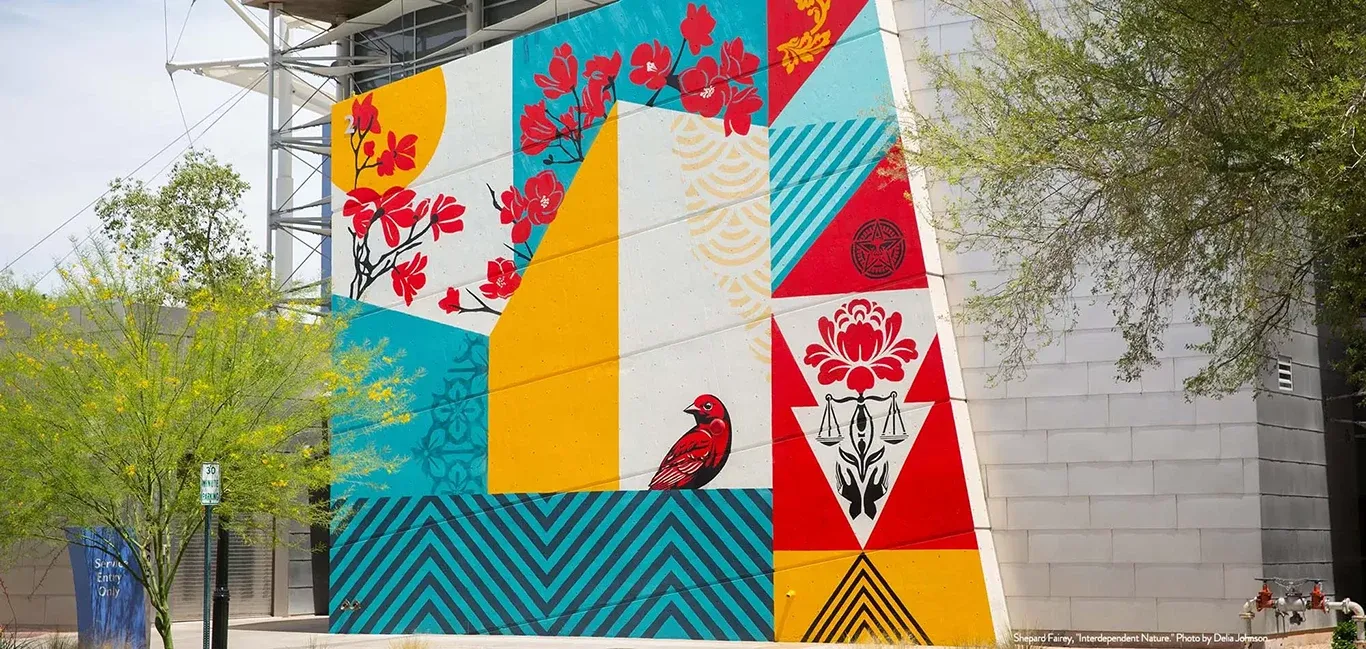
The largest arts complex in the Southwest, with five theaters and four galleries presenting national and regional visual art exhibitions in a stunning desert-inspired campus.
Gallery Tlaquepaque Arts Village · Sedona
Showcasing representational art of the American West - paintings, bronzes, and ceramics - by artists who draw inspiration from Sedona's iconic landscapes.
 Museum
 Prescott · Prescott
Dedicated to the legacy of Arizona artist George Phippen and the ongoing tradition of Western American art, this museum celebrates the cowboy, the landscape, and the spirit of the frontier.
 Gallery
 Scottsdale
One of the anchor galleries on Scottsdale's Main Street Arts District, showing contemporary painting, sculpture, and glass for more than 27 years.
 Cultural Center
 Tlaquepaque · Sedona
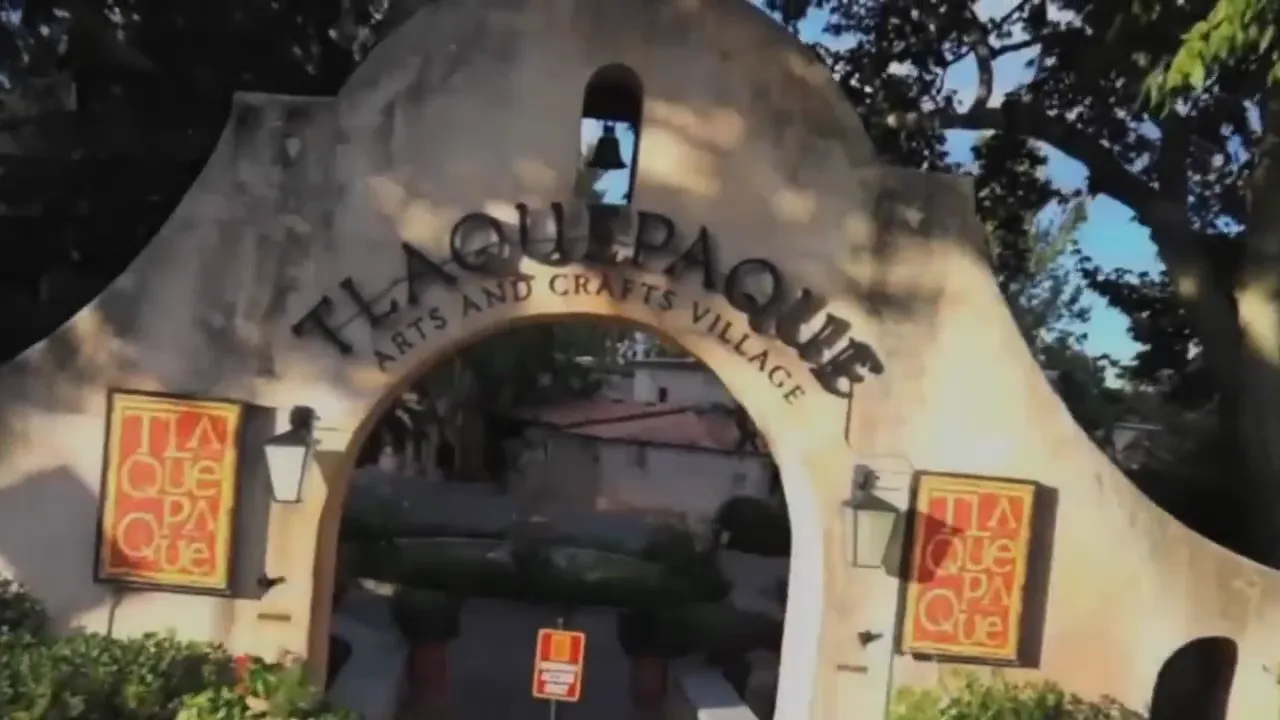
Iconic arts village modeled after a traditional Mexican village, housing 40+ galleries, artisans, and studios amid courtyards and fountains.
 Museum
 Old Town Scottsdale · Scottsdale
A premier museum dedicated to the art and history of the American West, with 15,000 square feet of galleries showcasing painting, sculpture, and artifacts from the 19th century to today.
 Gallery
 Mid-City · Los Angeles
One of LA's most influential contemporary galleries, representing a diverse roster of painters, sculptors, and installation artists with an emphasis on materials and process.
 Gallery
 Beverly Hills · Los Angeles
The LA outpost of the world's most powerful commercial gallery, presenting blue-chip modern and contemporary artists in a refined Beverly Hills setting.
Gallery Arts District · Los Angeles
Occupying a sprawling former flour mill in the Arts District, Hauser & Wirth LA presents monumental exhibitions by major international artists alongside a celebrated farm-to-table restaurant.
 Gallery
 Venice · Los Angeles
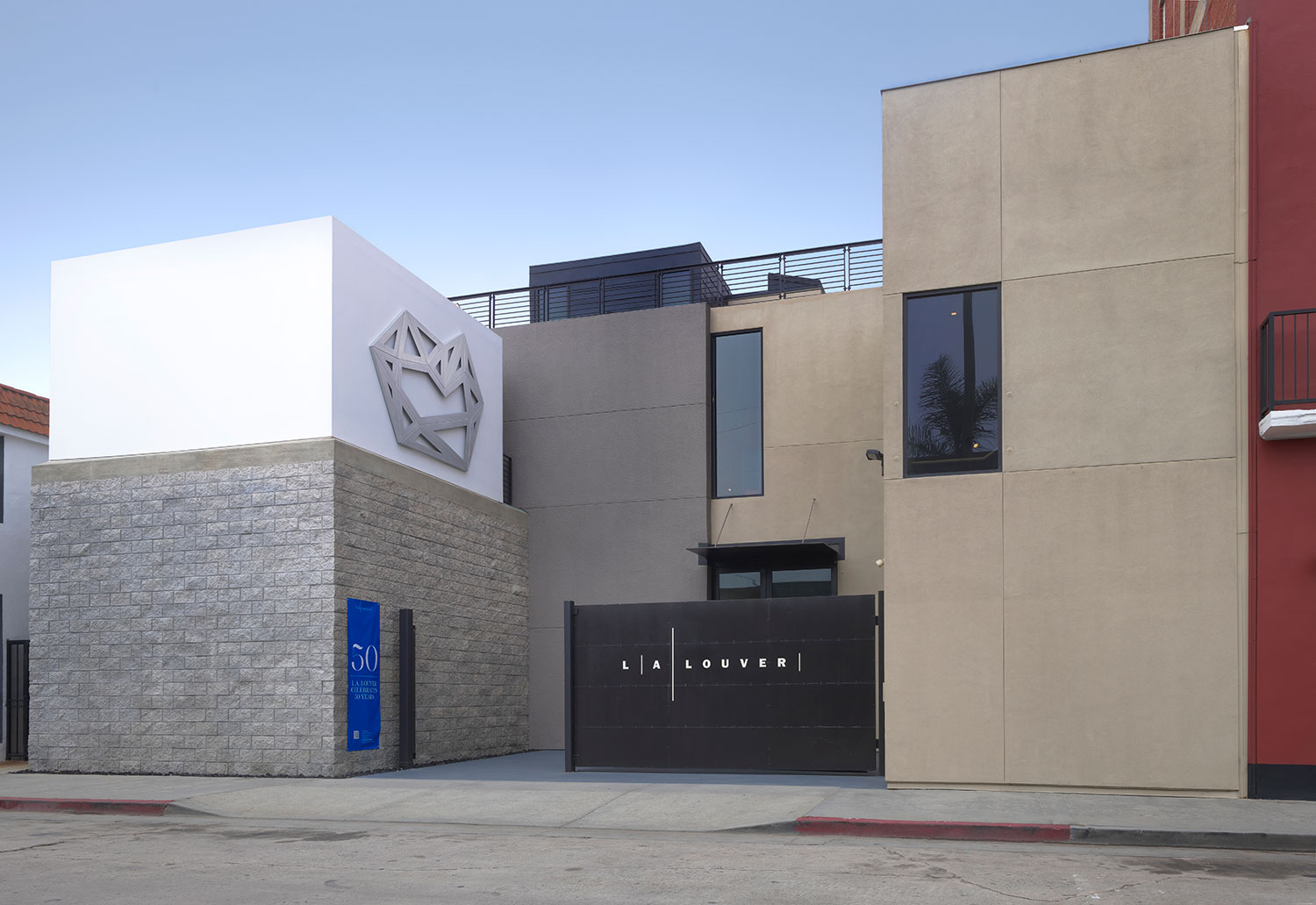
One of Los Angeles's most distinguished contemporary galleries, representing major national and international artists with a program spanning painting, sculpture, drawing, and prints.
 Museum
 Lincoln Park · San Francisco
Modeled after the Palais de la Légion d'Honneur in Paris and set on a cliff overlooking the Golden Gate, this museum holds distinguished European art spanning 4,000 years.
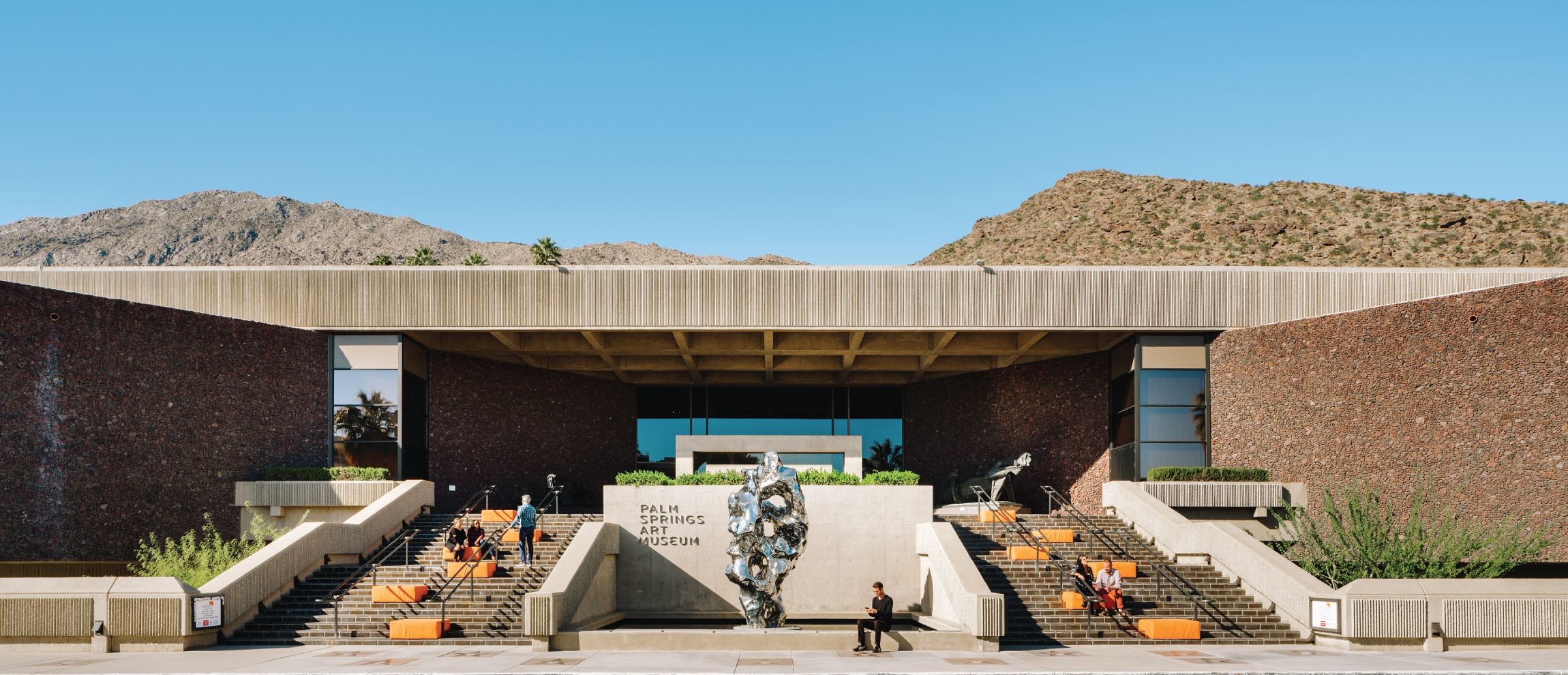 Museum
 Downtown Palm Springs · Palm Springs
The cultural heart of the Coachella Valley, featuring significant collections of modern and contemporary art, photography, Western American art, and architecture - including masterworks by Sam Francis and Mark di Suvero.
 Cultural Center
 Snowmass Village · Aspen
A world-renowned artist residency and education center in the mountains outside Aspen, offering workshops with celebrated artists and a vibrant gallery program in a bucolic ranch setting.
 Museum
 Aspen Core · Aspen
A non-collecting contemporary art museum in a stunning Shigeru Ban-designed building, presenting internationally significant exhibitions year-round. Free admission.
 Gallery
 Aspen Core · Aspen
One of the premier contemporary galleries in the Rocky Mountain region, representing artists of national and international stature in an exceptional mountain setting.
 Artist Studio
 Pagosa Springs · Pagosa Springs
The working studio and gallery of sculptor Chad Haspels, whose fine art bronzes and mixed-media works are inspired by the spirit and life of the natural world - offering collectors direct access to a distinctive Colorado sculptor with deep roots in the Southwest landscape.
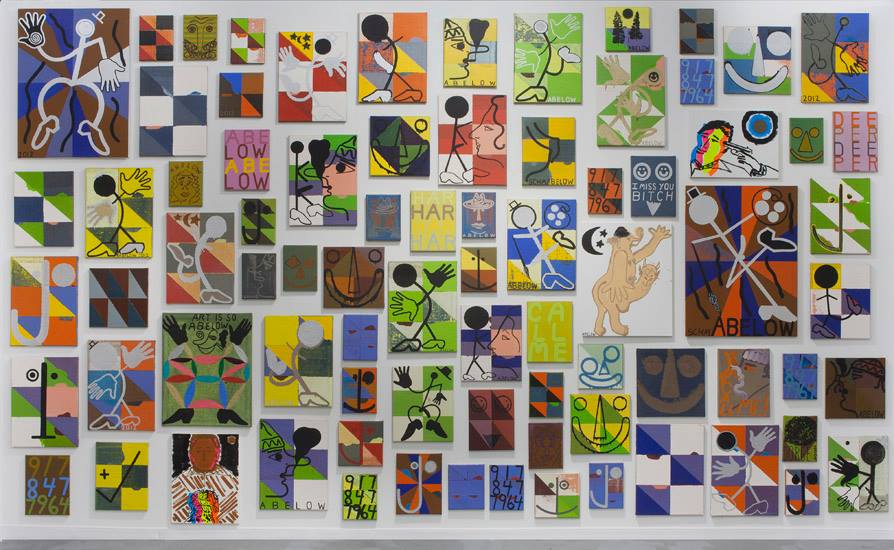 Gallery
 Downtown Denver · Denver
A free, privately held contemporary art collection spread across multiple downtown Denver storefronts, presenting surprising installations and works in unexpected urban spaces.
 Gallery
 Aspen Core · Aspen
A distinguished gallery dealing in 20th-century and contemporary masters, with an outstanding inventory of prints, drawings, and sculpture by celebrated international artists.
 Gallery
 Steamboat Springs · Steamboat Springs
A unique gallery set on a historic working ranch outside Steamboat Springs, featuring Western paintings, bronze sculpture, and photography in a setting that embodies the spirit of the Colorado Rockies.
 Gallery
 Old Town Fort Collins · Fort Collins
A vibrant contemporary gallery in Old Town Fort Collins showcasing paintings, sculpture, and jewelry by emerging and established regional artists in an inviting, accessible space.
 Gallery
 Golden Triangle · Denver
One of Denver's most respected contemporary art galleries, representing nationally and internationally recognized artists across painting, sculpture, and new media.
 Gallery
 Downtown Durango · Durango
One of the Southwest's finest galleries for contemporary Western and plein air art, representing nationally recognized painters and sculptors with a deep connection to the four-corners landscape.
 Gallery
 Downtown Telluride · Telluride
The premier fine art gallery in one of Colorado's most dramatic mountain settings, representing painting, sculpture, and photography by leading artists who draw inspiration from the San Juan Mountains.
 Gallery
 Vail Village · Vail
A premier gallery in the heart of Vail Village representing nationally recognized contemporary artists with a program of paintings, sculpture, and photography that complements the village's alpine grandeur.
Gallery Carson City Arts District · Carson City
A cooperative gallery run by Northern Nevada artists showcasing original paintings, sculpture, jewelry, and crafts - a cornerstone of Carson City's growing arts district.
 Cultural Center
 Citywide · Reno
Reno's beloved month-long July arts festival bringing hundreds of free performances, exhibitions, and studio tours to parks, galleries, and public spaces across the city since 1996.
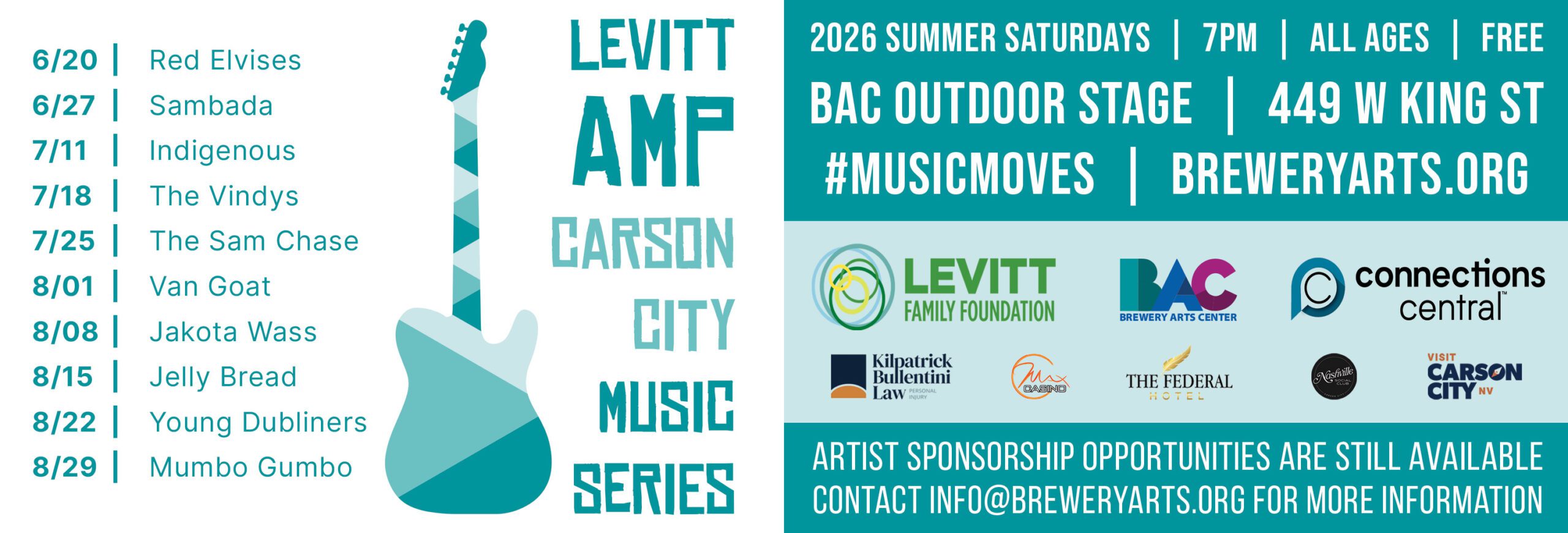 Cultural Center
 Historic District · Carson City
Housed in a restored 1864 brewery, this beloved Northern Nevada arts center runs galleries, a theater, studio art classes, and a vibrant calendar of exhibitions celebrating regional artists and craftspeople.
 Gallery
 University of Nevada Reno · Reno
The primary exhibition space for the University of Nevada Reno's Department of Art, presenting work by students, faculty, and invited national artists across all media in a purpose-built gallery on campus.
 Gallery
 South Meadows · Reno
One of the most respected fine art galleries in the Mountain West, representing nationally recognized painters and sculptors with a focus on contemporary realism, abstraction, and Western American art.
 Gallery
 Arts District · Las Vegas
A contemporary fine art gallery in the 18b Arts District presenting works by regional and national artists across painting, sculpture, and mixed media, with a focus on bold visual narratives.
 Museum
 Downtown Roswell · Roswell
A surprising gem in the eastern New Mexico desert: a museum showcasing work created by artists who participated in the Roswell Artist-in-Residence Program, with over 200 works spanning five decades of residency.
 Gallery
 Railyard District · Santa Fe
Internationally recognized for rigorous, monochromatic and reductive painting and sculpture, representing artists at the forefront of material exploration.
 Museum
 Downtown Santa Fe · Santa Fe
The national museum of contemporary Native American and Alaska Native art, presenting the most important collection of this work in the United States.
 Gallery
 Downtown Santa Fe · Santa Fe
A leading gallery for contemporary art in Santa Fe, representing nationally significant artists working across painting, sculpture, photography, and ceramics.
 Gallery
 Canyon Road · Santa Fe
Nationally recognized gallery specializing in Taos and Santa Fe masters, Western American art, and early 20th-century American paintings and sculpture.
 Gallery
 Raton
The Raton Arts & Humanities Council's gallery in a landmark 1910 Wells Fargo building, showing work by 200+ local and regional New Mexico artists across every medium.
 Gallery
 Downtown Santa Fe · Santa Fe
An acclaimed jewelry and fine craft gallery in downtown Santa Fe showcasing sculptural jewelry, objects, and furniture by leading contemporary studio artists from across the country.
 Museum
 Railyard District · Santa Fe
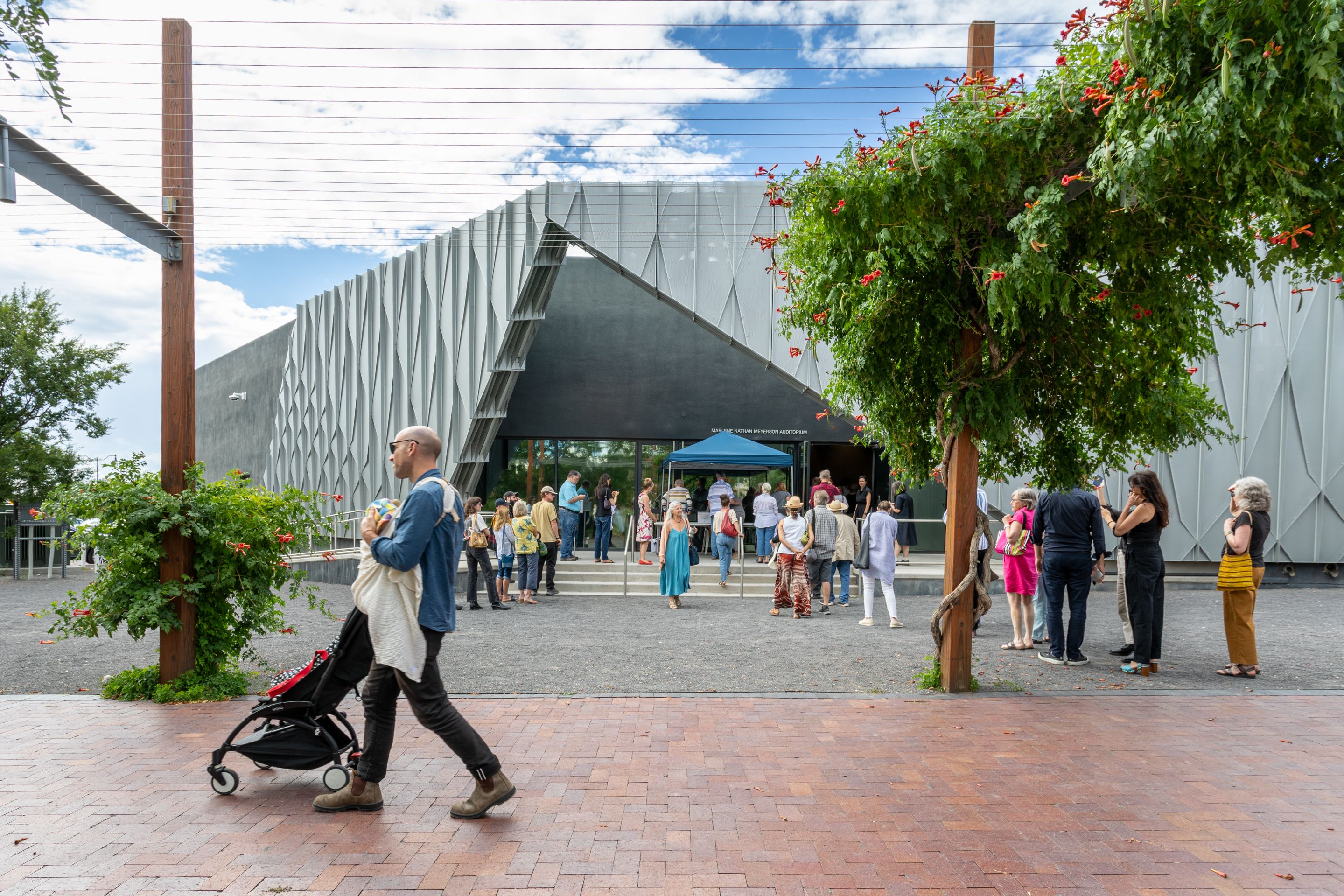
An internationally acclaimed independent contemporary art space in the Railyard District, presenting ambitious large-scale exhibitions by globally significant artists alongside a celebrated biennial.
 Sculpture Park
 Angel Fire
A ten-acre outdoor sculpture environment in Angel Fire built from reclaimed wood, driftwood, antique vehicles, and found objects - created by builder and artist Ray Renfroe as an act of love, grief, and celebration.
 Museum
 Marfa · Marfa
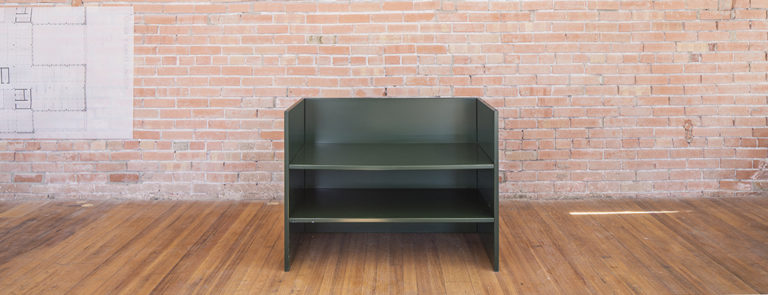
Donald Judd's visionary large-scale art installation across a decommissioned Army base - one of the most significant site-specific artworks in the world.
 Museum
 Downtown · Austin
The downtown flagship of Contemporary Austin, presenting ambitious rotating exhibitions of contemporary art - including significant site-specific commissions and large-scale installations - in a beautifully renovated building on Congress Avenue.
 Museum
 Arts District · Dallas
A free-admission museum presenting one of the finest collections of Asian art in the Southwest, spanning 5,000 years across South Asia, Southeast Asia, China, Japan, and Korea - a serene refuge of beauty in the heart of downtown Dallas.
 Museum
 Arts District · Dallas
The cultural anchor of the Dallas Arts District and one of the largest art museums in the United States, with an encyclopedic collection of 24,000 works spanning 5,000 years of world art - including exceptional pre-Columbian holdings and free general admission.
 Museum
 Downtown El Paso · El Paso
The primary fine arts museum of the Paso del Norte region, with collections spanning European Old Masters, pre-Columbian art, Mexican Colonial paintings, and 20th-century American art - a bridge between the cultural traditions of the United States and Mexico.
 Museum
 Midtown · Houston
A museum and residency program dedicated to the art of craft - fiber, glass, metal, ceramics, and wood - with working resident artists visible throughout the building and a commitment to elevating craft to its rightful place in the fine art conversation.
 Cultural Center
 Marfa · Marfa
Preserving the studios, residences, and permanent art installations of Donald Judd in Marfa and New York, maintaining his vision of art integrated into daily life.
 Museum
 Cultural District · Fort Worth
Widely regarded as one of the finest small museums in the world, the Kimbell holds a carefully selected collection of European Old Masters and world art presented in Louis Kahn's architectural masterpiece - luminous cycloid vaults that bathe the paintings in natural light.
 Museum
 West Austin · Austin
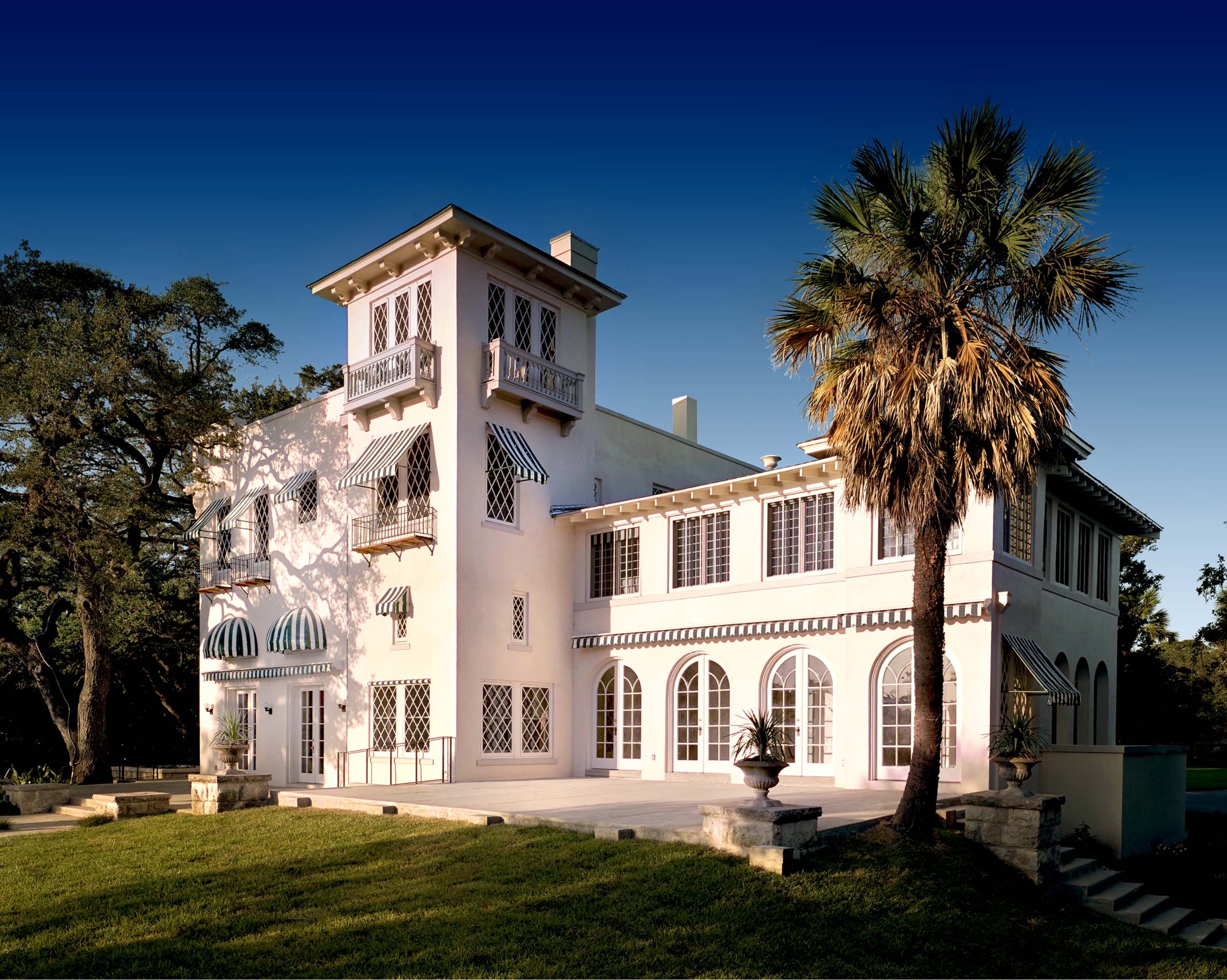
Contemporary Austin's lushly landscaped outdoor campus on Lake Austin, presenting site-specific sculpture and rotating outdoor installations in the gardens of a historic 1916 Mediterranean Revival villa - also home to the acclaimed Rebekah Baines Johnson Art School for children.
 Museum
 Alamo Heights · San Antonio
Texas's first modern art museum, set in a sprawling Spanish Colonial Revival mansion surrounded by sculpture gardens - with exceptional collections of early modern painting, post-Impressionism, prints, and theater arts in a setting of rare serenity.
 Museum
 Cultural District · Fort Worth
The oldest art museum in Texas, presenting an exemplary collection of post-World War II modern and contemporary art - Picasso, Warhol, Kiefer, Richter, and more - in Tadao Ando's spectacular reflecting-pool building, one of the great museum buildings of our era.
 Museum
 Museum District · Houston
The largest art museum in the American South, with a collection of more than 70,000 works spanning 6,000 years across all cultures and media, housed in a campus that includes two landmark buildings by Mies van der Rohe.
 Museum
 Arts District · Dallas
A purpose-built sculpture museum in the Dallas Arts District housing the landmark Raymond Nasher collection of modern and contemporary sculpture - from Rodin through Richard Serra - in a Renzo Piano building with an acclaimed outdoor garden.
 Museum
 Museum Reach · San Antonio
An encyclopedic art museum in a magnificent converted 19th-century brewery complex, with a world-class collection of Latin American art - the largest of any US museum - alongside strong holdings in ancient Mediterranean, Asian, and American art.
 Museum
 Barton Springs · Austin
A beloved outdoor museum on four lush South Austin acres dedicated to the work of Charles Umlauf, an important American figurative sculptor who taught at UT for 40 years - over 130 bronze, stone, and wood works in a serene garden setting.
 Museum
 BYU Campus · Provo
One of the largest and most significant art museums in the American West, with a collection of over 17,000 works spanning world art history - including a celebrated collection of Carl Bloch paintings, Rembrandt etchings, and a strong survey of 19th-century European art, all free and open to the public.
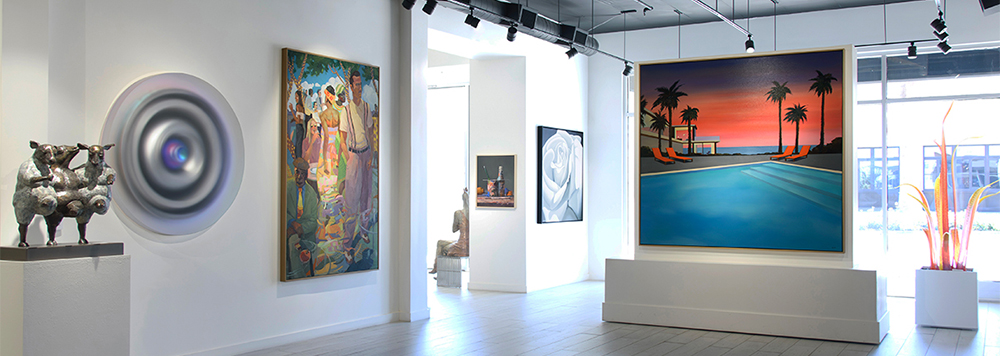 Gallery
 Main Street · Park City
A Park City gallery specializing in abstract and contemporary painting, sculpture, and fine art glass - presenting nationally recognized artists alongside emerging regional talents in a sophisticated mountain town setting.
 Gallery
 Downtown Moab · Moab
Fine art gallery showcasing landscape photography, painting, and sculpture inspired by the dramatic canyon country of southeastern Utah.
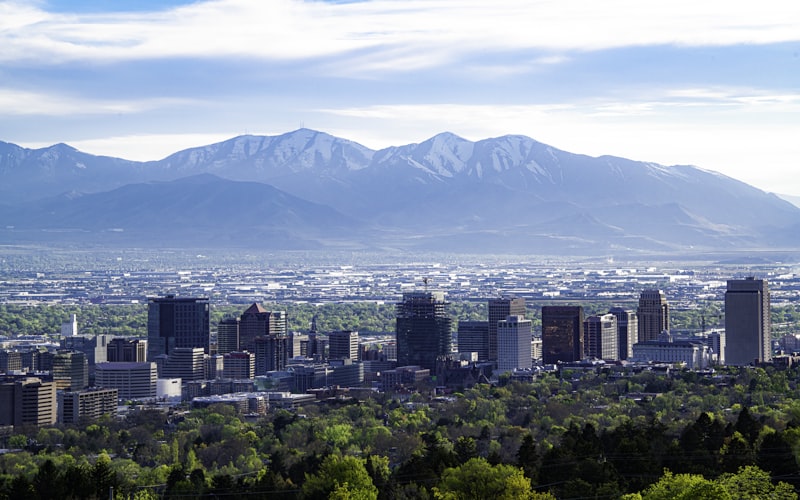 Museum
 Sugar House · Salt Lake City
A singular and strange free outdoor garden created over two decades by stone mason Thomas Child, featuring 12 sculptural works carved in granite - including an Egyptian sphinx with the face of Joseph Smith - charged with folk symbolism unique in American art.
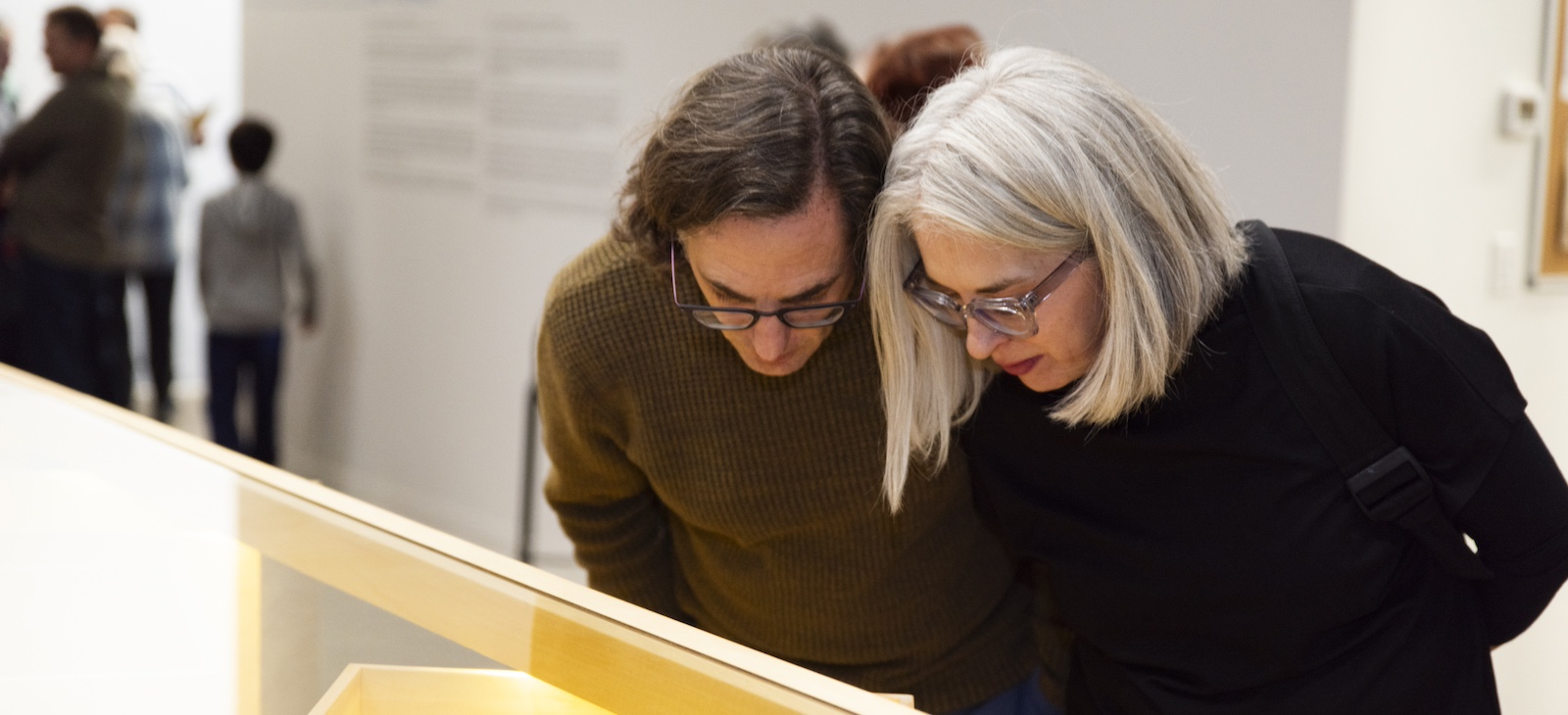 Cultural Center
 Old Town · Park City
Park City's premier contemporary art institution, presenting rotating exhibitions, public art commissions, and an acclaimed annual art festival that draws artists and collectors from across the country to this world-class mountain arts hub.
Gallery Main Street · Park City
A distinguished Park City gallery presenting works on paper, sculpture, and painting with particular depth in American realism and plein air tradition - a sophisticated presence on Main Street serving serious collectors for over two decades.
Sculpture in the American Southwest occupies a privileged position, not because of any inherent regional advantage in the medium, but because of a single decisive institutional act: Donald Judd's decision in 1979 to establish the Chinati Foundation in Marfa, Texas. Judd's vision was to create a permanent home for large-scale art that could not be adequately experienced in the conventional gallery or museum context, work requiring space, permanence, and the particular quality of West Texas light. The result is one of the most remarkable art experiences available anywhere in the world: fifteen site-specific installations by Judd and artists he invited, including John Chamberlain, Dan Flavin, Roni Horn, and Ilya Kabakov, permanently installed in converted army buildings on the edge of the Chihuahuan Desert. Chinati transformed Marfa from an anonymous ranching town into a pilgrimage destination for the international art world and established the Southwest as a venue for sculpture of the highest ambition.
The Western sculpture tradition, centered in Scottsdale and the galleries that serve the Western art market, represents a completely different strand of the Southwest's relationship to three-dimensional form. Bronze sculpture in the Western tradition, monumental figures of cowboys, horses, Native warriors, and frontier life, has been commercially important in the Southwest gallery market since the late 19th century when Frederic Remington began casting his figures of the American West. Today Scottsdale and Cave Creek galleries represent dozens of living bronze sculptors working in this tradition, and major Western art auctions held annually in Scottsdale, Denver, and Ellensburg, Washington consistently achieve significant prices for both historic and contemporary Western bronzes.
Public sculpture programs have transformed the outdoor spaces of Southwest cities into large-scale galleries. Santa Fe's public art collection includes works by some of the most significant sculptors of the past century, installed along the Railyard Arts District trail and in plazas throughout the historic district. Scottsdale's Civic Center Mall is home to one of the most ambitious permanent outdoor sculpture programs in the American West. Denver's public art collection, managed by the Denver Arts & Venues office, includes significant permanent works throughout the city's parks and public buildings, with a particular concentration in the Civic Center Cultural Complex.
For collectors interested in sculpture, scale and installation requirements are practical considerations that painting does not raise. Small bronzes and sculptural works on paper provide entry points for collectors with limited space; major gallery shows in Scottsdale, Santa Fe, and Denver regularly include work sized for domestic installation alongside larger pieces. Foundry work by established Western sculptors offers reliable investment-grade collecting, with secondary market prices for blue-chip artists like Fritz Scholder, Dan Namingha, and the estates of Remington and Russell consistently supported by auction. Contemporary sculptors working in the experimental tradition, showing in galleries connected to museum programs and nonprofit spaces, represent higher risk but also the opportunity to collect work that may achieve significant institutional recognition.
Find hotels, inns, and vacation rentals near galleries and cultural venues across all seven states.
Affiliate link. We may earn a commission at no cost to you.